
Are you looking to crack the code and learn the formula to a balanced weekend that actually feels fun, meaningful, relaxing, and re-energizing?
This blog post breaks down all the tips you need to know to set your life up more effectively, so you can spend your days off the way you want to.
Photo by Maddi Bazzocco on Unsplash
Like many of us, my relationship with time is complicated. I often feel like I waste too much time and like I don’t spend enough time doing the things that feel meaningful to me.
And while it is easy to think, “I don’t have enough time,” I also know that that isn’t true.
Meaningful activities don’t carve out time for themselves on our calendars. We are responsible for creating balance and making time for what we want to do.
I am currently very interested in lifestyle planning. By that, I mean creating an optimized schedule that balances work, fun, joy, rest, and connection, while preventing burnout.
I know a lot of us can benefit from this subject, so I want to share the strategies I am experimenting with to create this schedule. An important component of this topic is figuring out how to structure my weeks so that my weekends feel restful.

Photo by Joanna Kosinska on Unsplash
Do you ever feel like you spend your weekends bouncing between chores and mindless activities? Only to wonder how two days passed and you still don’t feel rested and ready for a new week?
Do you consistently face the Sunday Scaries? I noticed this pattern in my life:
◇Spend the week looking forward to the weekend
◇Spend most of the weekend sleeping (due to mental exhaustion)
◇Spend Sunday evening feeling anxious and unprepared for the week
Photo by Marissa Grootes on Unsplash
The issue I notice is that I’m spending more time sleeping on the weekend than engaging in the activities that matter to me.
Now, don’t get me wrong, resting and catching up on sleep is extremely important. But, ideally, I would like to create a schedule that prevents me from feeling so exhausted by the end of the week.
So, now it is time to experiment with solutions and end this cycle.
Something I am learning as I navigate my 20s, is that there are many different ways to live your life. There are different methods for scheduling work, play, errands, connection, hobbies, etc. And some schedules work well for some, but don’t work at all for others.
I am aware that I don’t know how to schedule my time in a way that works well for me, yet. So, as always, I am writing the advice that I need to hear. I am doing a deep-dive into this topic and sharing everything I learn about effective life-planning/life-scheduling/lifestyle design systems, so you can benefit as well.
Read on to learn these lifestyle design tips that can help your weekends feel more restful.
First, you need to address your mindset and mental health, then you need to experiment with your weekly schedule, then finally you can look at how to approach the actual weekend.
Photo by Jess Bailey on Unsplash
Mindset
Addressing your mindset is the first step to making meaningful lifestyle changes.
Your mind is very powerful when it comes to shaping your reality. You might not even realize that you have subconscious thoughts impacting what you believe about yourself and about the world.
If you constantly find yourself running into the same negative patterns and feeling like you struggle to make changes, you might have some subconscious limiting beliefs holding you back.
If this is the case, don’t worry. Understanding your limiting beliefs is just useful information that will help you on your self-growth journey.
Read this post to learn how you can identify and overcome subconscious limiting beliefs.
Photo by Natasha Fernandez: https://www.pexels.com/photo/love-your-life-clipboard-decor-811575/
Mental Health
Gen Z mental health statistics sound pretty grim. Sadly, our generation appears to struggle pretty significantly with mental health issues, including anxiety and depression.
According to the American Psychological Association, more than 9 out of 10 Gen Z adults experience at least one of stress’ negative side effects, including depression, sadness, lack of interest, lack of motivation, and lack of energy.

Photo by Engin Akyurt: https://www.pexels.com/photo/clear-glass-teacup-with-coffee-beverage-2299028/
Quarter-life crisis
A “Quarter-Life Crisis” refers to feelings of anxiety and dread people in their 20s and 30s report experiencing when they reflect and experience feelings like sadness, fear, and despair at their personal lives (career prospects, quality of life, etc.) as well as the state of the world.
If you relate to this experience, check out this blog post to learn tools for navigating a quarter-life crisis.
Reading these statistics makes me feel pretty sad, but I share this just to provide some context for why many of us feel like we are struggling.
Gain Awareness
In order to solve a problem, you have to understand the problem. So the first thing you need to do is reflect and get a clear picture of the thought patterns and behavioral patterns that might make your free time feel less restful than you would like.
Photo by Shirley Tittermary on Unsplash
Audit Your Life
An effective way to gain awareness of your patterns is to “audit your life,” according to this NPR article. Take note of everything you like and dislike in all the different areas of your life (personal, romantic, social, family, career, etc.). Make sure to pay attention to the thoughts and habits associated with these different areas. And notice which activities energize you, as well as which ones drain you.
All this information will help you design your life in a way that works well for you.
Make it a habit to do mini check-ins with yourself throughout each day and week. Try to ask yourself these questions as often as possible:
“How does this activity make me feel?”
“How does this relationship make me feel?”
“What are my automatic thoughts/beliefs about (insert situation)?”
Photo by Sincerely Media on Unsplash
Honor What Feels Good to You
You need to take a custom approach to create your perfect weekend. What works for other people might not work for you.
Of course, it is great to get inspiration from others, but only you know what you need. Give yourself permission to do more of what feels good to you and less of what doesn’t. And what feels good to you might change over time, so make a point to reflect periodically.

Photo by Jingxi Lau on Unsplash
How to Effectively Schedule Your Week
One of my biggest takeaways from thinking about this topic is that intentionally planning your week is key to having more restful and enjoyable weekends. These are some tips to help you plan your life, so you don’t spend your days off catching up on chores.
Spread errands out throughout the week
Most of us associate weekends with running errands. I recently had the revelation (thanks to researching articles and TikToks on lifestyle design) that this doesn’t have to be the case. Start incorporating your errands into your week to give you more weekend downtime.
For example, I now get groceries in the evenings after work and break other chores into smaller steps to do throughout the week.
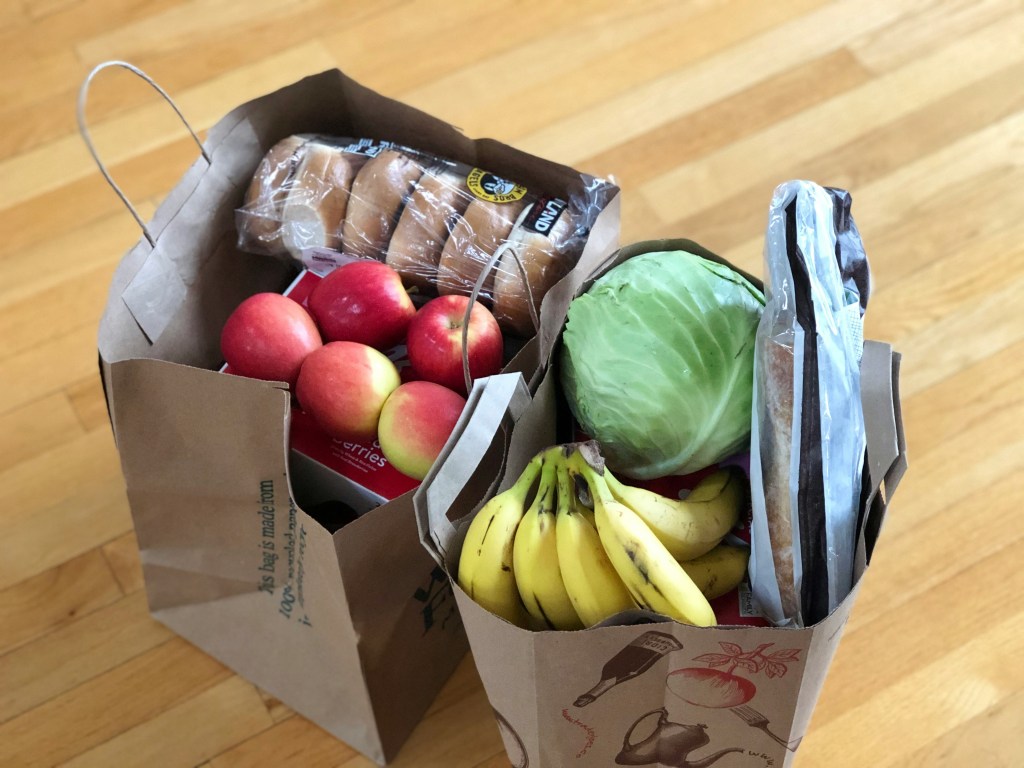
Photo by Maria Lin Kim on Unsplash
Break Chores Down Into Small Pieces
When chores feel too time-consuming and overwhelming, I am more likely to procrastinate. If you feel the same way, let me put you onto this tip that helps immensely with this.
Break your chores down into small pieces. Instead of looking at a big daunting task, like cleaning your entire house, break that down into micro-tasks that you can complete relatively quickly.
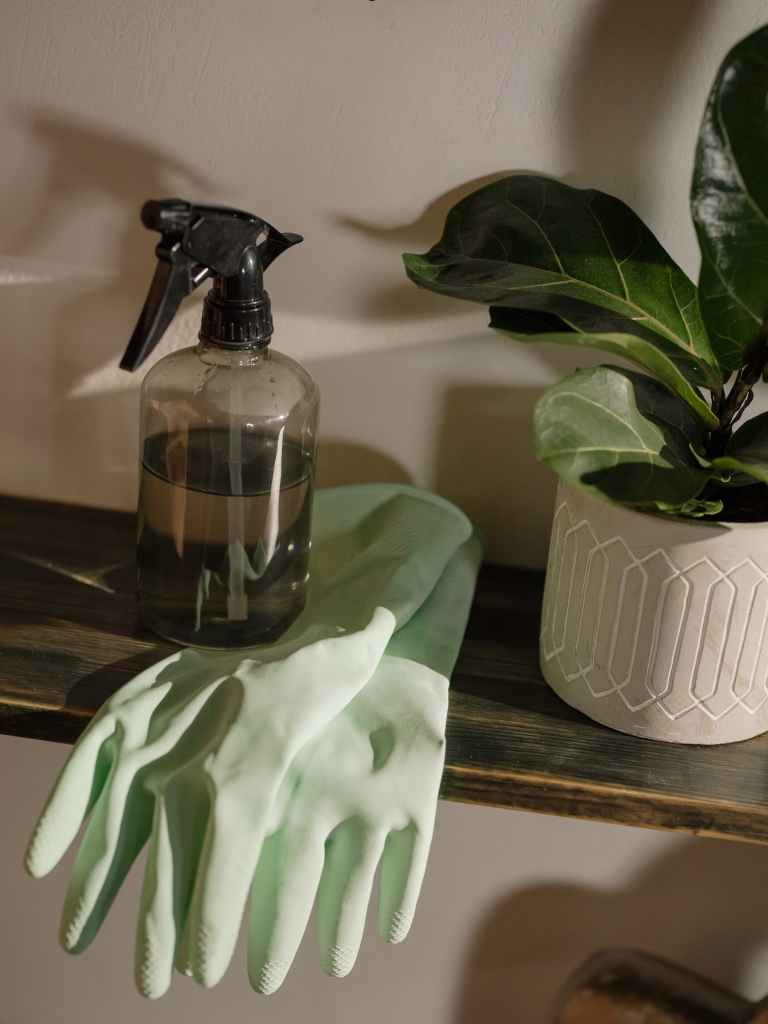
Photo by cottonbro studio: https://www.pexels.com/photo/black-and-white-spray-bottle-4107120/
How to Make Chores More Manageable
Instead of spending hours cleaning your entire house, spend a few minutes each day tidying up.
For example:
While I’m making breakfast and waiting for the toast to finish toasting, I am also wiping down my counters.
When I want a break from work, I’ll quickly sweep the floor.
Instead of unloading the entire dishwasher at once, I put a few dishes away every time I go into the kitchen, until it is completely empty.
These small, micro-habits add up and allow you to get chores done without feeling too overwhelmed. Plus, it is easier to motivate yourself to do a small, easy activity than it is to motivate yourself to start a more intimidating project.
Incorporate these micro-habits into your week. By the time the weekend comes, you should find that your space is in pretty good shape!
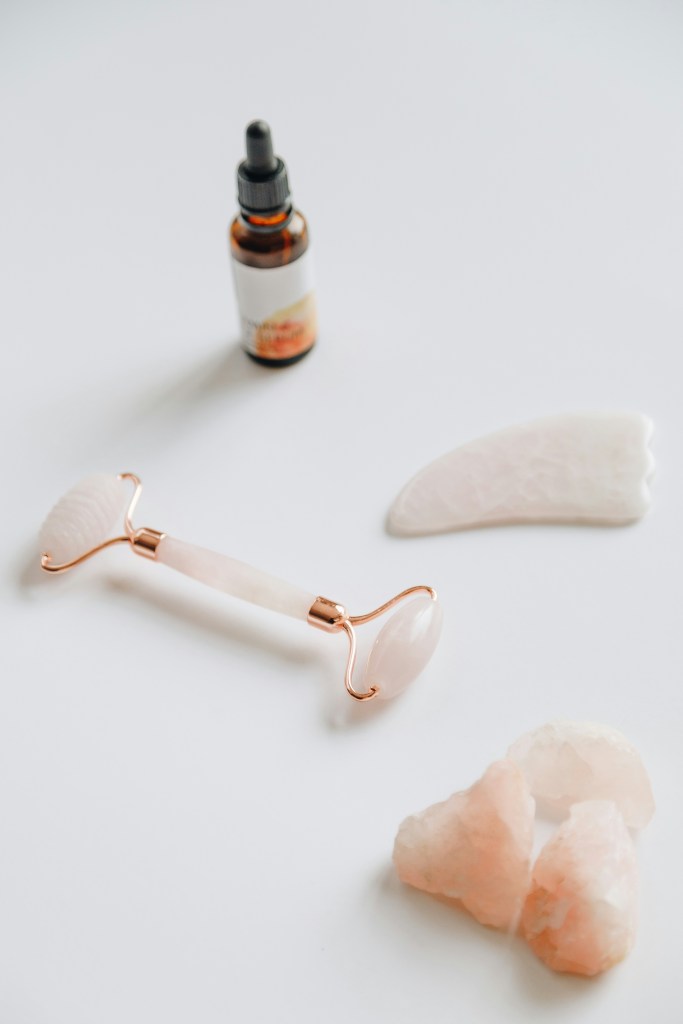
Photo by Viva Luna Studios on Unsplash
Schedule Fun and Self-Care Into Your Week
Stop telling yourself that you can only have fun during the weekend. Sprinkle some self-care and fun into your schedule to make the week more exciting. I love my weekly trivia night, and I look forward to that mid-week fun activity.
Ideas for Weekly Fun and Self-Care
◇ Happy hour
◇ Dinner with your friends or significant other
◇ Stop by your favorite cafe
◇ Designate a particular night to work on your hobby
◇ Read a good book at night before bed
◇ Do a quick face mask after work
◇Spend your lunch break outside in the sun
◇Light your favorite candle while you eat dinner
◇Plan a night to eat your favorite meal
Your weekly fun and self-care moments don’t need to be anything expensive or time-consuming. The goal is to find simple, creative ways to bring joy into your daily routines. These seemingly small acts can make a huge difference.
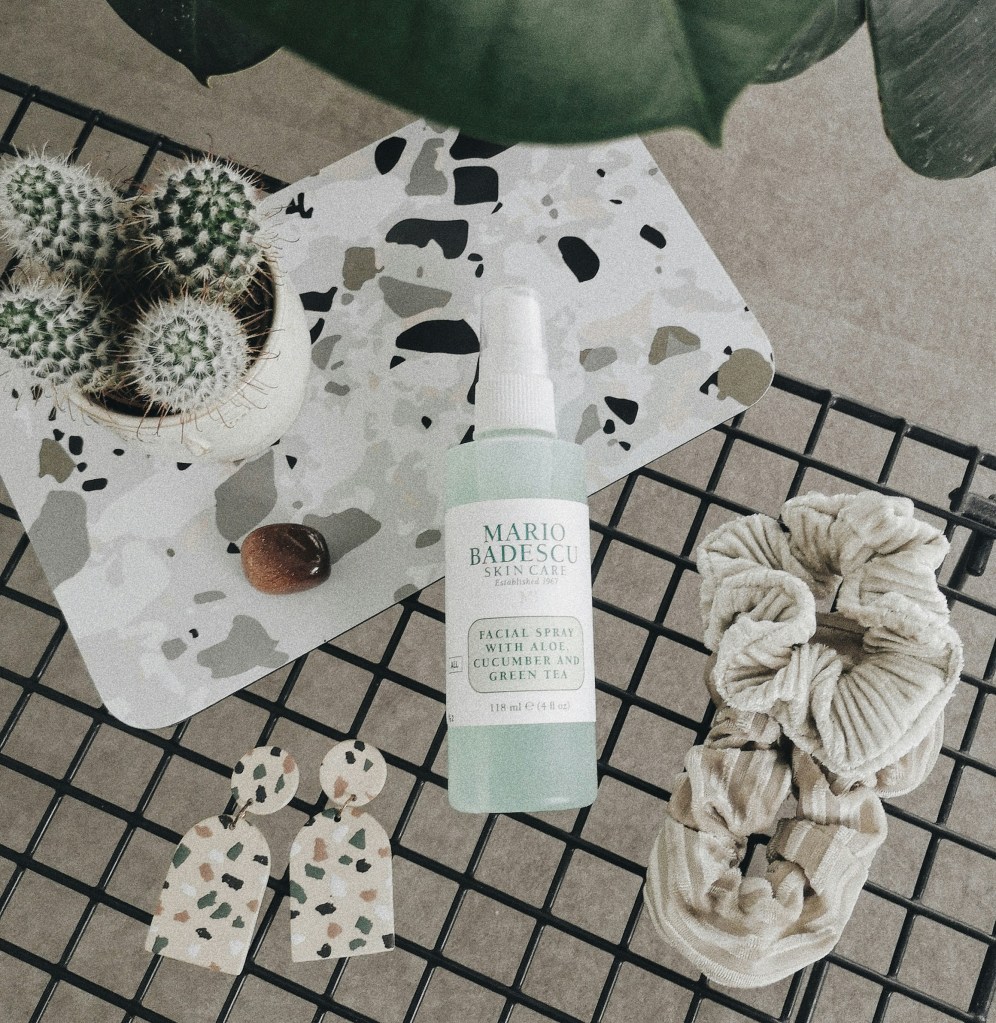
Photo by Miska Sage on Unsplash
How to Have a More Restful & Relaxing Weekend
Once you work on getting our chores done throughout the week, the next step is planning your weekends.
Set Your Weekend Intention
Now that you spent time reflecting on what you want more of and what you want less of in your life, set an intention for your weekend experience.
It is helpful to focus on how you want to feel and identify a few words to sum up that feeling. For example, my intention is for my weekends to feel mindful, restful, and recharging.
Plan Your Weekends Based on Your Intentions
Knowing how you want to feel during the weekend will guide you to creating a plan for how to achieve that.
How to Have a Better Weekend by Orchestrating Your Good Times
This idea comes from Michelle Barnes (MuchelleB on YouTube). Her video called How to Make Your Life More Interesting (By Treating it Like a Vacation), discusses the importance of planning your fun and relaxing activities.
Have you ever ended your weekend feeling unrested and like you aren’t even sure how you spent your free time? Michelle suggests that planning your free time helps you avoid this aimless feeling.
Michelle derives this concept from Ernest Hemingway’s memoir. Apparently, Hemingway believed that “good times should be orchestrated and not left to chance.” This is why he “planned fun as seriously as work.”
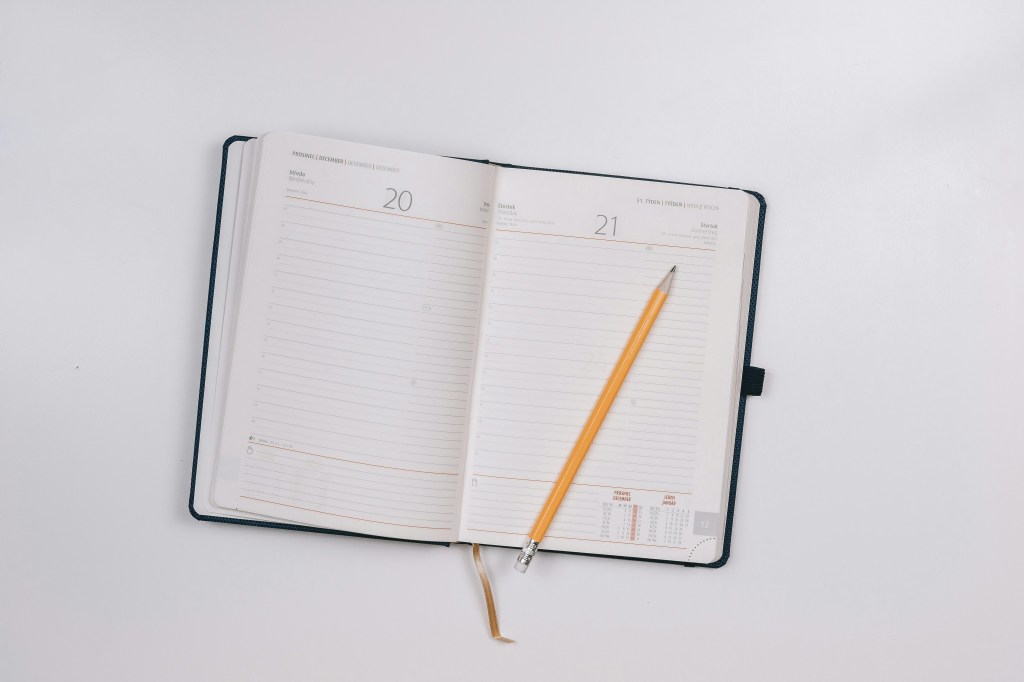
Photo by JESHOOTS.COM on Unsplash
If planning out your weekend sounds unappealing, it is important to remember that the goal is making this a flexible plan. We are not creating a rigid schedule of back-to-back/boring/not fun tasks. We are simply giving ourselves a gentle framework that encourages us to use our time meaningfully.
I know that, without intentionally planning, I will likely end up aimlessly bumbling about. And creating a flexible guideline for weekend activities helps me avoid that.

Photo by Sixteen Miles Out on Unsplash
Plan Pockets of Relaxation
One of the best ways to ensure that your weekend actually feels restful is to give yourself designated relaxation time. This is especially important during busy weekends.
Make sure to plan when and how you will give yourself needed downtime. I know that, personally, if I don’t plan my self-care, it can quickly get pushed to the side.
As I write this post, I am in the middle of a particularly busy weekend. I have a lot of exciting plans, which gives me the perfect opportunity to put these tips into action. I made sure to give myself time to take a nap in between a Galentine’s Brunch, errands, and work.
Something as simple as taking a short nap, spending a few minutes in the sun, or doing a guided mindfulness meditation can help you feel that much-needed relaxation.
Prioritize
As difficult as it is, you have to learn to accept that you only have so much time. Learning to prioritize what matters most and letting everything else go allows you to make the most of your free time. Prioritization is difficult, but this will help you so much in living a more intentional and meaningful life.
I know, it probably feels like everything is super important and you don’t want to let anything go. I definitely feel this way at times, when it comes to my goals and plans.
But embracing your limited time and focusing on the things that bring you the most joy and fulfillment allows you to put your all into a few meaningful endeavors, instead of spreading yourself thin over too many avenues.
Photo by Annie Spratt on Unsplash
Beware of FOMO
Part of understanding and accepting that our free time is (unfortunately) limited is learning to discern and use your time carefully.
This means learning to overcome FOMO (the Fear of Missing Out). In order to make more time for the things that matter most to you, you need to learn to say no to activities that don’t fulfill you.
Sadly, it probably isn’t in your best interest to accept every invitation you get. Learning which activities to turn down frees up some time for activities that bring you more joy.
Remember that this is about balance. I’m not suggesting you start turning down every social opportunity and shutting people out of your life. While that would free up a lot of your time, it would also shut you off from connection, which would cause its own set of issues.
Finding a balance will likely take some trial and error. So just get into the habit of assessing your energy levels before agreeing to plans.
Please know that I am sharing these suggestions with so much compassion, as I know this is difficult. These are very much the messages that I need to hear.
Photo by Alisa Anton on Unsplash
Avoid future tripping
As we already addressed, your mindset powerfully impacts your reality. The more you buy into the narrative that weeks are stressful and weekends are too short and not relaxing enough, the more your experience will reflect that.
I know the more time I spend thinking about “how fast the weekend flew by” and allowing the Sunday Scaries to consume me, the worse I feel. Which totally makes sense.
Try to stay present during the weekend. Whether you are spending some solo time or enjoying time with friends/family, work on staying grounded and enjoying the present moment.
Practice Mindfulness
Mindfulness is a tool we can use to slow down and not feel like time is flying by. Make a point to ground yourself in the present moment. With everything you do, remember to stay grounded and pay attention to the details around you.
This is something I’m practicing and noticing mindfulness helps me feel better.
In case you didn’t know, you don’t need to meditate to practice mindfulness. Read this post to learn 17 Mindfulness Practices That Aren’t Meditation.
Photo by Ariv Kurniawan on Unsplash
Incorporate Variety and New Experiences
Did you know that a lack of new experiences can cause time to fly by? If you feel like time moves too fast, you might spend too much time going through the same routines on autopilot.
You can combat this by seeking variety and new experiences. You know how I said that I am writing this blog post during a very busy weekend?
I was worried that having so many plans would make the weekend go by too quickly, but actually it has gone by more slowly.
So now I know that this is probably because I am spending time doing activities outside of my usual routine.
Some simple ways to incorporate variety into your life are:
◇Try a new restaurant
◇Go to a new cafe
◇Start watching a new tv show
◇Attend a local event
◇Make plans to go out on a night you would normally stay in
◇Try a new recipe
◇Explore a nearby city
◇Go to a museum
Photo by Elina Fairytale: https://www.pexels.com/photo/lavender-and-massage-oils-3865676/
Emotional Regulation
According to Psychology Today, emotional regulation refers to “the ability to exert control over one’s own emotional state.” This includes using healthy coping strategies to work through uncomfortable emotions, such as anxiety, sadness, and anger.
How can emotional regulation help you enjoy your free time? Knowing how to manage your emotional state positively impacts your well-being and allows you to feel more ease in your daily life. Overall, practicing emotional regulation tactics will help you maintain a relaxed state, even when anxiety or similar emotions creep up.
Photo by Becca Tapert on Unsplash
Give Yourself Something to Look Forward to On Monday
I was talking to my therapist about my grand plans to come up with a weekly schedule to help me combat the Sunday Scaries. She gave me the suggestion to plan something to look forward to on Monday, so I can ease into the week without feeling so anxious.
Since I am fortunate enough to create my own work schedule, I am planning to experiment with starting late on Mondays. Additionally, I’m making Monday night a craft night. Hopefully, this will allow me to have a slow morning, plus give me a fun activity to look forward to.

Photo by Brandon Cormier on Unsplash
I also just decided I am going to tell myself I enjoy Mondays and make that part of my identity.
Think about how much more peace you’ll feel if you learn to embrace Mondays and implement a balanced weekly schedule.
Even if you don’t necessarily get to control your schedule, (say you work a 9 to 5, you have kids to drop off at school, or you have early morning classes) you can find other ways to make Monday special. For example, you can get in the routine of making or picking up your favorite coffee every morning. Or you can sit outside on your lunch break with a good book.
If neither of those suggestions feel good to you, hopefully they at least give you some inspiration for activities to try.
How do you typically approach your weekend plans? Make sure to leave a comment if you try any of these tips! I love discussing lifestyle design and self-improvement topics, so others can join me in learning how to design your dream life.
Make sure to sign up for my email list to get updates on weekly blog posts with tips to help you live your best life. And make sure to follow me on social media (links below) to stay connected and get more positive self-improvement and lifestyle tips.
Feel free to reach out anytime!
 Life by Julia