Being multi-passionate is exciting, but balancing multiple interests and a busy schedule can feel overwhelming.
I’ve been there, and I know how uncomfortable it can be. But with the right strategies, you can feel more balanced and at peace, even while juggling multiple interests. This series is about helping you create that balance!
Recap
Welcome back to my series on managing overwhelm!
In case you missed it,
In Part 1, we discussed the importance of managing overwhelm as a multi-passionate individual. Then, in Part 2 we covered how to use self-care to feel more centered and grounded during life’s chaotic seasons.
Now, in Part 3, we’ll talk about the benefits of routines and how routines can create structure and calm in your busy life.
By creating routines, we create guidelines that tell us when we are doing what. This can help you avoid some of the stress that accompanies having an overwhelming to-do list with no idea how you will get through it.
Don’t Be Afraid of the Word “Routine”
Not everyone loves the idea of routines. But routines don’t have to be overly structured, boring, and rigid. They can actually make life feel easier and more fun!
I encourage you to reframe how you think about routines and find the level of structure that works best for you. Some people do well with a more structured schedule, while others prefer a loose guide.
Wherever you fall on this scale, allowing room for flexibility makes it easier to adjust as things come up.
How Routines Can Help You Feel Less Overwhelmed: A Guide For Multi-Passionate Individuals
Deciding how to structure your day takes a lot of time and energy. Routines can help automate your daily processes and alleviate some of that mental burden.
In this article from Calm.com, Dr. Steve Orma, a clinical psychologist who treats anxiety, stress, and insomnia, shares a relatable example.
Dr. Orma explains how implementing the habit of spending 20 minutes a day on life admin prevents mundane tasks (like scheduling appointments and responding to emails) from piling up and becoming overwhelming.
Additional Benefits of Having Routines
In addition to giving your day more structure, here are even more ways routines can support your well-being.
🌟 Routines help you use your time intentionally.
You can use routines to spend more time doing meaningful activities that align with your goals, instead of defaulting to time-wasting habits.
🌟 Routines can improve your mental health and reduce stress.
🌟 Routines help you build habits.
Cheryl Beutell, APRN, a psychiatric nurse practitioner at Northwestern Medicine, explains that “Having a routine is how you build habits. “When we practice good habits, that can help us maintain positive relationships, good hygiene, and our best health.”
How to Create a Routine–Simple Routine-Building Tips
If you struggle to create routines, I have some tips to help you get started.
Start Small
Take routine-building one step at a time. In this YouTube video, Julia Adastra shares how her evening routine consists of turning off her laptop by a certain time and journaling.
I love how simple this is. It is a great reminder that we don’t need overly complicated
Routines to feel our best.
Reflect
Think about what you want to get out of your routines. Do you want to dedicate more time for self-care, pursuing hobbies, or something else?
What are some habits that would help you reach those goals?
Personally, my goal is to create routines to help me feel calm and remain organized.
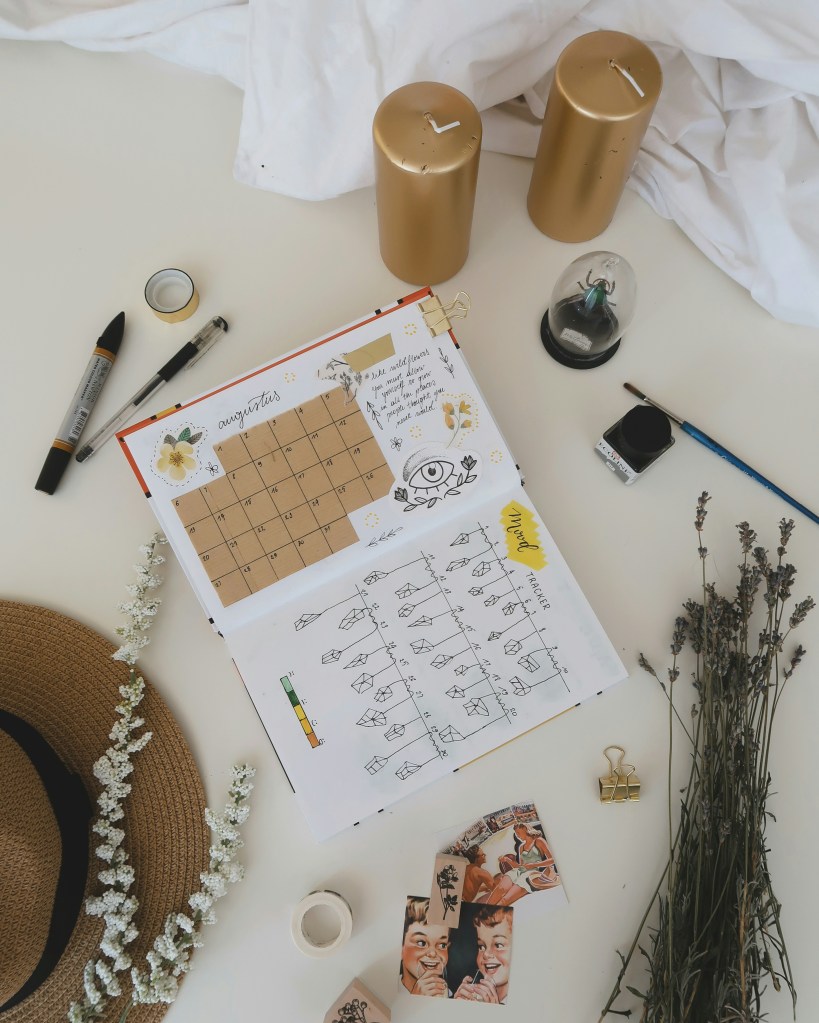
Photo by Estée Janssens on Unsplash
Pick One Thing to Focus on
Action Item: Pick one small habit to focus on. Committing to that habit is the first step to establishing your routine. Once you get that down, you can slowly add on more habits.
For example, looking at my evening routine, I want to focus on eating dinner by 7:30 pm. That small step gives me a starting point.
Your routine might look like identifying a specific time to eat a meal or getting in bed by a certain time with your book.
What small habit or routine would help you feel your best? Let’s brainstorm in the comments!

Photo by Jess Bailey on Unsplash
Identify Organization Systems That Work for You
Knowing you have a lot to do, but not knowing when/how you will get everything done can cause stress.
Routines and organizational systems can eliminate some of that stress. This is where it is helpful to identify organizational systems that work well for you. I’m a fan of time-blocking.
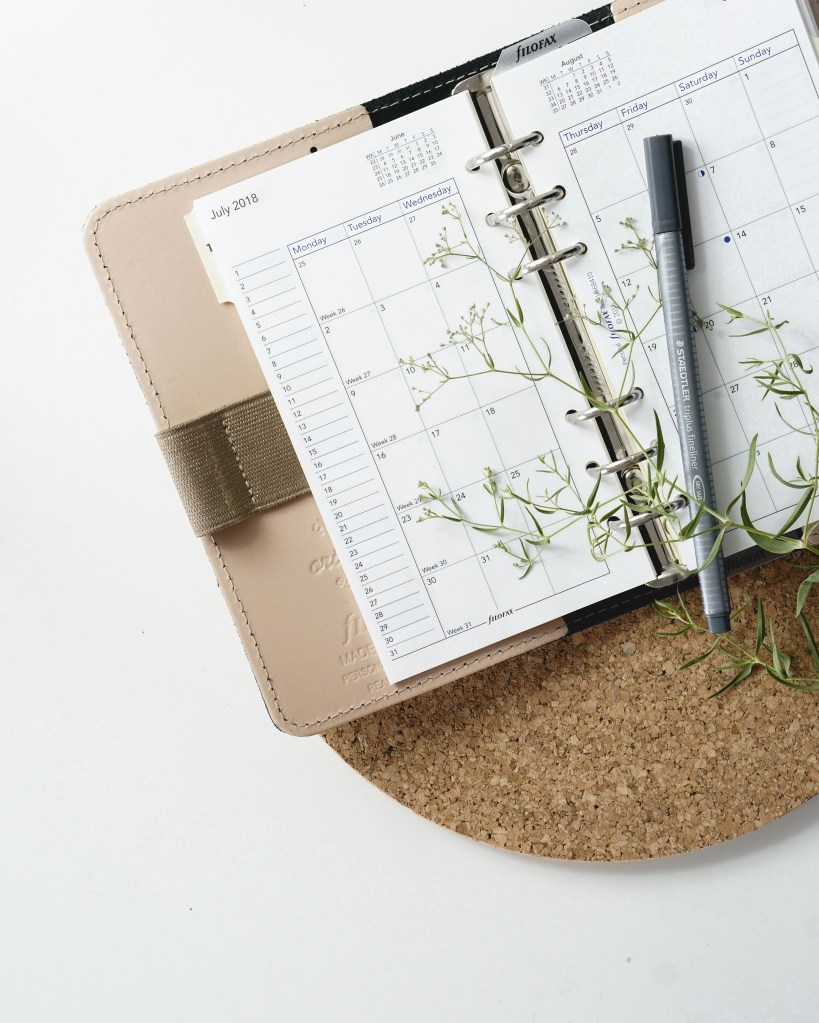
Photo by Renáta-Adrienn on Unsplash
Time Blocking
According to this definition from Todoist, “Time-blocking is a time management method where you divide your day into blocks of time. Each block is dedicated to a specific task or group of tasks.”
I like to do this using Google Calendar. It helps me visualize my day and set reminders, so I don’t forget anything important.
I hope this post inspires you to create nourishing routines that bring more calm and balance into your life.
Remember, routines are meant to serve you. Your routines can be flexible and simple. Start small and build from there!
We’re all in this together, bettering ourselves one small habit at a time. Share your routine wins in the comments, so we can support each other!
Don’t miss the rest of this series–join my email list for updates and tips to help you on your self-improvement journey! Remember, we are on this journey together. I’d love to hear what habit you want to focus on this week! Share in the comments, so we can support each other.
Check in next week for part 4, to learn how healthy distractions can be your go-to tool to calm your mind during stressful times.
Follow me on social media (links below) to stay connected and receive even more tips to help you be your best self!
 Life by Julia
3 thoughts on “Creating Calm: Developing Simple Routines to Ease Overwhelm”