Are you feeling overwhelmed by everything on your to-do list? I get it! Trying to balance work, relationships, hobbies, sleep, and self-care can feel exhausting.
But you don’t have to let overwhelm control your life!
Incorporating relaxation strategies, such as mindfulness, into your daily routines can help you manage stress and remain calm.
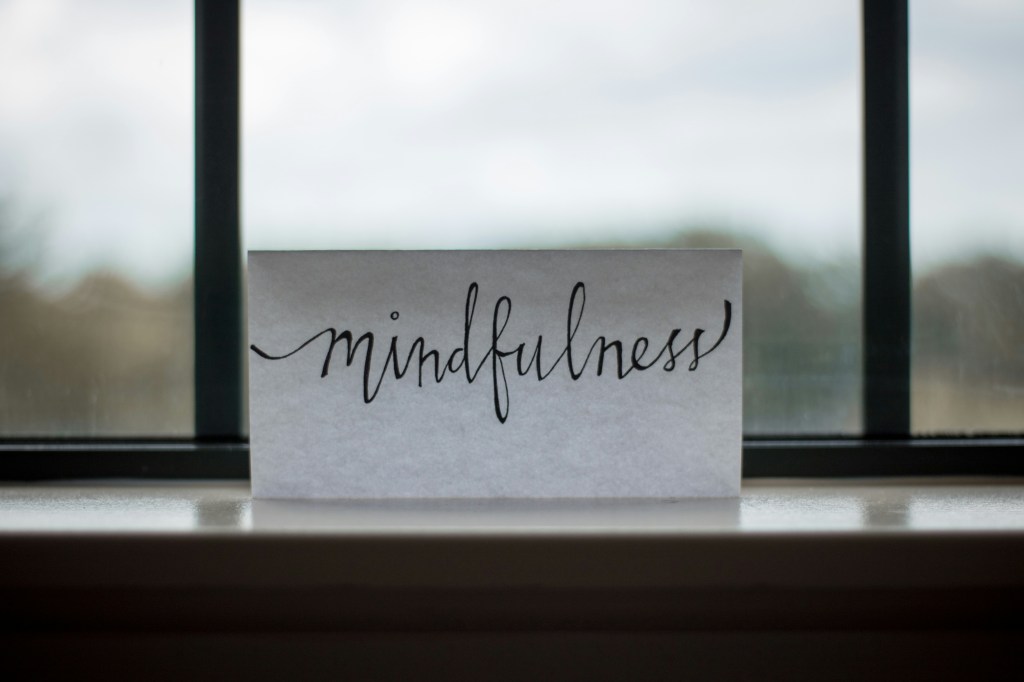
Photo by Lesly Juarez on Unsplash
What is Mindfulness?
We often hear about mindfulness, but what does it really mean to “be mindful?”
According to this definition from mindful.org, “mindfulness is the basic human ability to be fully present, aware of where we are and what we’re doing, and not overly reactive or overwhelmed by what’s going on around us.”
In other words, mindfulness means accepting the present moment without judgment.
Photo by Rahime Gül: https://www.pexels.com/photo/a-cup-of-coffee-and-lavender-on-the-table-17286179/
Mindfulness Benefits
There are many benefits to practicing mindfulness, including:
🤍Reduced stress
🤍Improved immune system
🤍Reduced anxiety
🤍Improved concentration and focus
🤍Increased calm
These benefits make mindfulness a powerful tool to help you manage stress and remain calm, even when life feels overwhelming. As a bonus, mindfulness might also make you feel happier!
Harvard researcher Matt Killingsworth did a study that found that people tend to feel happier when living in the present moment. After tracking a group of participants, Killingsworth discovered that, on average, people’s minds wandered away from the task at hand 47% of the time. And that mind wandering correlated with feeling less happy.
Surprisingly, this was the case even when the task at hand was undesirable, such as commuting to work.
This study tells us that staying in the present moment can improve our overall happiness and well-being.
To learn more, watch Killingsworth’s TED Talk on this topic.
How to Practice Mindfulness
Now that we know some of the benefits of practicing mindfulness, let’s look at different ways to incorporate mindfulness into your life.
There are many different ways you can practice mindfulness. Experiment to find the mindfulness tools that work best for you. Here are some suggestions to get you started:
Meditation
Meditation is a popular mindfulness technique. The goal of meditation is to learn how to observe your thoughts without judgment (NOT to have zero thoughts).
Guided meditation is a great place to start. YouTube and apps like Headspace and Calm are good ways to access beginner-friendly guided meditations.
Deep breathing
I’m a huge fan of taking deep, mindful breaths throughout the day. This practice helps me ground myself in the present moment. I have a mindfulness notification on my watch that goes off every hour. This reminds me to check in and take a deep breath.
Implementing some type of cue is a helpful way to remember to keep up with your mindfulness practice.
YouTube is a great resource for learning different breathing techniques. I find box breathing helpful for calming an anxious mind.
Box breathing is a simple breathwork practice where you breathe in, hold, breathe out, and hold for the same length of time. For example, you might inhale for 4 seconds, hold for 4 seconds, exhale for 4 seconds, and hold for 4 seconds.
See the video below to learn how to use box breathing to reduce anxiety and improve focus.
Try box breathing next time you feel overwhelmed to see how it calms your mind!
Yoga
I’ve been practicing yoga for several years, and it is one of my favorite forms of movement. Yoga helps you connect your mind and your body, which can help you feel more grounded in the present moment.
Body scan
As the name suggests, a body scan is a form of mindfulness meditation where you scan your body and observe different sensations. This practice helps you connect with your body and tune into your present experience. Body scans provide several mental and physical health benefits, including reduced stress and tension.
See the video below for a short, guided body scan meditation.
Pay attention to your senses
Paying attention to your senses is another popular mindfulness practice. To bring yourself into the present moment, try paying attention to everything you can see, hear, taste, touch, and feel.
I hope this post helps you on your journey to feel less overwhelmed. If multiple interests are making you feel stretched too thin, using these mindfulness tools can help you re-center and calm your mind.
Don’t forget to check out the rest of the blog posts in this series focused on helping multi-passionate individuals manage overwhelm.
Post 1 – Managing Overwhelm as a Multi-Passionate Individual
An overview of the importance of managing overwhelm during life’s busy seasons.
Post 2 – Self-Care Practices to Reduce Overwhelm: A Guide for Multi-Passionate Individuals
Learn how to develop a self-care strategy that prioritizes your mental health when life feels overwhelming.
Post 3 – Creating Calm: Developing Simple Routines to Ease Overwhelm
Understand the benefits of routines and how to create simple routines to feel your best.
Post 4 – Soothing Overwhelm With Healthy Distractions
Find out how healthy distractions support mental clarity and give you time to recharge.
Thanks for reading! Sign up for my newsletter to receive notifications about new blog posts with tips to help you live your best life!
And, follow me on social media (links below) for daily lifestyle inspiration!
 Life by Julia
One thought on “Mindfulness Techniques to Soothe Overwhelm”