
This post contains affiliate links. I may receive a small commission (at no additional cost to you) if you make a purchase through one of these links.
Sometimes, we need a mental health reset.
The past couple of weeks felt challenging. I noticed myself taking on the weight of the world. The news was making me feel heavy and anxious.
This got me thinking about how we can take care of ourselves when we feel distressed.
It’s hard to remember in the moment, but we have some control over our existence. When life feels chaotic, small choices can make or break your well-being.
I love it when I align with my favorite creators. I was very excited when I saw a new @Lexie podcast episode called “How to Stop Rotting.”
This is a topic so many of us struggle with. When I’m not feeling great, I can fall back on unhelpful habits, like spending too much time in bed. But I know that doesn’t recharge me.
Lexie spoke about self-care in trying times. Her podcast episode was inspired by one of Lavendaire’s YouTube videos, titled “Energy Care: Habits to Reset, Recharge & Manifest in 2025 💫.”
I want to keep the positivity chain going and put my own spin on this topic.
Knowing the self-care habits that make you feel your best is so important. It is helpful to have practices to rely on during stressful times.
This is why I want to share some calming habits to help you reset your mental health.
Think of these tips as an Emergency Anxiety Tool Kit. Use these practices to find relief when you feel down.
Mental Health Reset Habits
Deep breathing
Learning relaxation techniques is an effective way to reduce anxiety.
I am a huge fan of deep breathing, and I remind myself to take mindful breaths throughout the day. Deep breathing can bring so many amazing mental and physical health benefits.
Taking deep breaths can help you:
💖slow down your thoughts
💖reduce anxiety
💖calm your nervous system
💖reduce stress
Aileen’s video explains Box-Breathing. This is where you breathe in for four counts, hold for four counts, exhale for four counts, and hold for four counts.
Box Breathing is one of my favorite breathwork practices for creating calm.
Mindfulness
There are good reasons that so many wellbeing experts recommend mindfulness. Learning to ground myself in the present moment is helping me find more peace.
Guided meditations are one way I like to practice mindfulness. I use YouTube and the Insight Timer app to find guided meditations.
Check out this blog post to learn more mindfulness practices to reduce overwhelm.
Calming Rituals
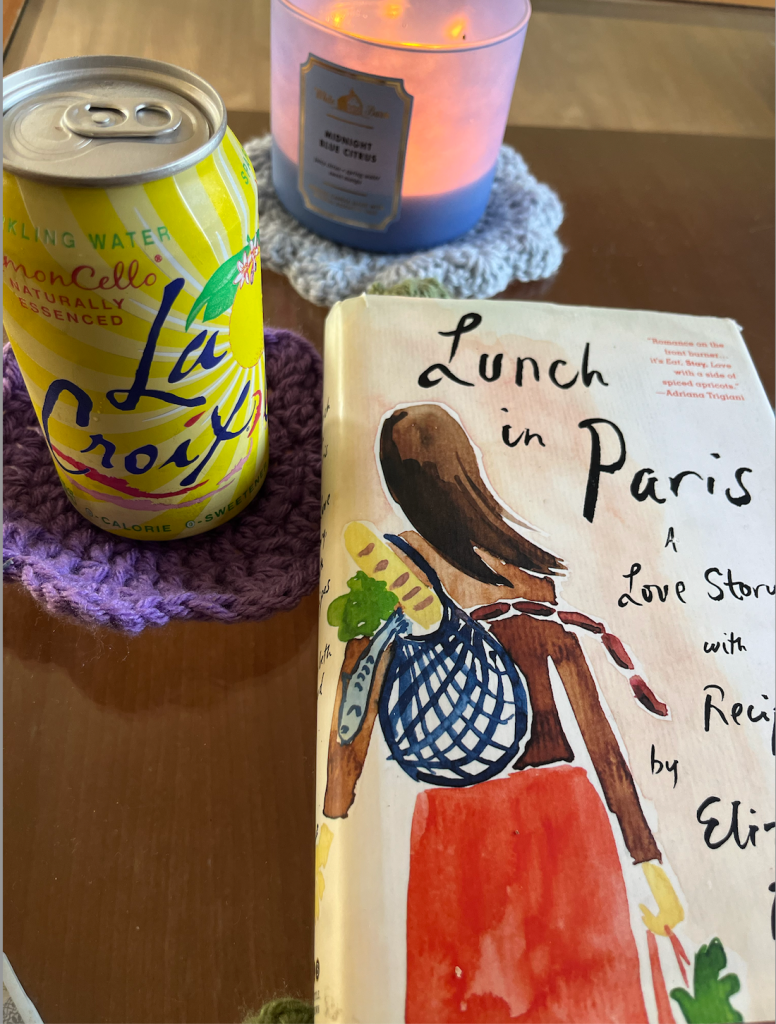
Create calming rituals. This gives you things to look forward to and helps your brain unwind.
For example, I love coming home from work, lighting a candle, and eating dinner while reading a book.
Limit Bad News
Maintain healthy boundaries with news consumption. When I felt inundated by bad news the past couple of weeks, I knew I needed to get a break from that cycle.
This can look like focusing your energy on a fun hobby or pastime, so your mind can relax.
You can also lean on your loved ones when you feel off. Connection is a useful mental health reset strategy.
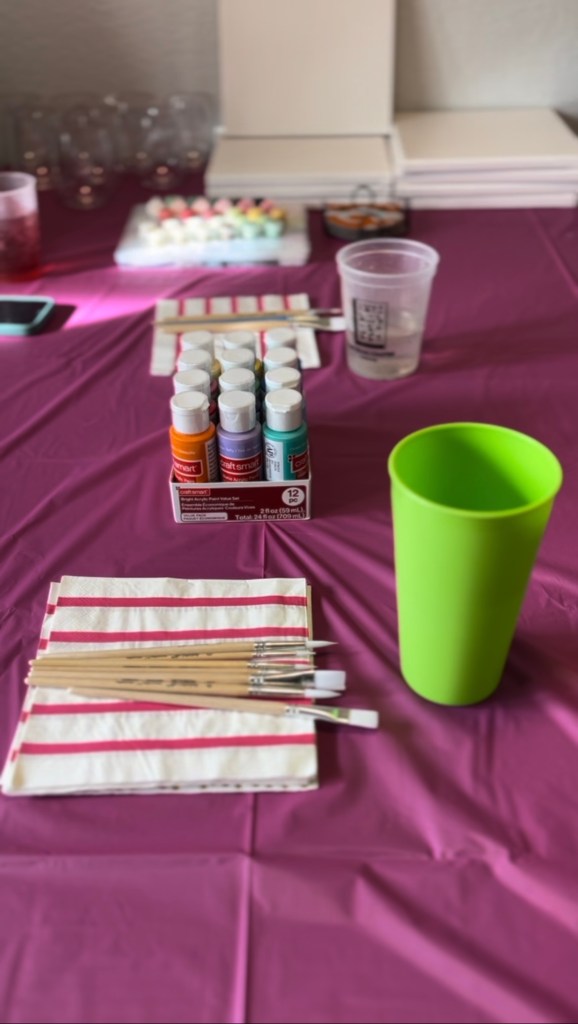
Having a Galentine’s Day Party with my friends to craft and make pizzas and fun drinks allowed me to get my mind to a positive place.
Seek good news
In addition to limiting bad news, make sure to actively seek out good news. Do your best to maintain a positive mindset, even when you feel bombarded by negativity.
I am very fortunate that I am surrounded by so many positive people who share uplifting information.
I also make sure to follow positive creators online. Filling my life with positive content makes a huge difference in my mental wellbeing.
Empower yourself
When you feel helpless, identify small actions that empower you. For me, this looked like seeking information to help me solve a problem at work.
Get the Right Type of Rest
Discovering that there are 7 different types of rest changed the game for me!
If you feel chronically exhausted, you might not be getting the type of rest you need.
Check out this blog post to learn about the 7 different types of rest and determine how to get the right type of rest!
Journal
Release your worries by writing them down. Getting your thoughts out of your head and onto paper can help calm your mind. This is especially helpful if you have a busy brain, like myself. Writing down all of those thoughts allows me to get some space.
Sometimes, writing a simple to-do list is enough to make me feel more centered.
Change your environment
A small shift like moving from my bed to the couch can improve my mood. If you feel mentally stuck, changing your physical location might help.
Spend time outside
Going outside is a great way to change your environment. Fresh air can help clear your mind.
Taking short breaks to step outside helps me reset during the workday.
Keep it simple
Keep your life as simple as possible. The last thing you need when you feel dysregulated is overly complicated routines or unrealistic expectations.

Checklists
When we feel out of alignment, we can forget our feel-good habits. It’s helpful to give yourself something to refer to when your brain isn’t all there.
I love using checklists to organize my self-care routines. Don’t underestimate how useful this kind of guidance is.
I use Notion to store my self-care checklists, keeping my life (and brain) organized.
Check out this all-in-one productivity tool here, to see why so many people find Notion helpful!
Decide How You Want to Feel
It’s easy to forget that we can influence how we feel. I know I need this reminder.
Aileen’s video reminded me that I can choose how I want to feel and make that reality. I control my mindset. My mindset does not control me.
So, set your intention and take small steps to get there
Recently, this looked like setting the intention of having a productive and mentally restful weekend and using the tips in this post to accomplish that.
Utilize Momentum
Lexie’s podcast reminded me of the importance of using momentum to get yourself to achieve something. Learning to build momentum is more beneficial than relying on motivation.

Take Small Steps
Taking small steps is the best way that I have learned to build momentum and move in a positive direction.
Taking small steps is how I got myself to write this blog post. And how I get myself to do most daunting tasks.
If you are dreading or avoiding an intimidating chore, break it down into the smallest steps possible.
I hope this post helps you! Remember that you are not alone! So many of us go through challenging moments. This is why I am dedicated to sharing my tips and experiences to help you navigate life’s ups and downs with grace. I encourage you to try at least one of these tips this week. Leave a comment to let me know how it worked for you!
Photo by Andrew Small on Unsplash
Make sure to sign up for my email list to get notified of monthly blog posts with tips to help you be your best self!
And, connect with me on social media (links below) to be part of my cozy community. I post daily lifestyle motivation, so we can all be our best selves together!
 Life by Julia