
If you feel anxious about the state of the planet, you are not alone.
Conversations about the environment are filled with a lot of uncertainty and despair. This makes me feel fearful of the future, and you might feel similarly.
I relate to this. Like many people in my generation, I feel worried about climate change.
Lately, I have noticed this worry increasing. And, it is impacting my daily life. I often find myself questioning how my day-to-day choices affect the planet.

Photo by Markus Spiske on Unsplash
This increased anxiety started when I learned about generative AI’s negative environmental impact.
As a content creator, I got into a nice routine of using ChatGPT to help me edit my work. After writing a blog post or social media caption, I would put it into ChatGPT for feedback.
I enjoyed how this practice helped me refine my creative ideas and improve my writing.
Then, someone informed me of ChatGPT’s excessive water usage. This was very distressing to learn and made me feel bad about using it.
I also started over-analyzing how many of my other habits have unknown environmental consequences.
Photo by Mahima: https://www.pexels.com/photo/shallow-focus-photography-of-brown-tree-trunk-1250260/
Since then, I have been hyperfixated on this topic and know I’m not the only one contemplating my environmental footprint.
I thought this created a good opportunity to discuss environmental anxiety and how we can do our best to care for the planet without sacrificing our mental and physical health.
I find it helpful to write about my experiences, and I know my audience finds it comforting to feel they are not alone and that someone understands what they are going through.
So, as your relatable lifestyle internet friend, let’s talk about eco-anxiety and how you can manage it.

While climate change is a legitimate concern and awareness is critical, constant worrying doesn’t help the situation and can harm the individual.
Climate-change updates can make us feel hopeless. And, learning about the negative consequences of our favorite products and habits can feel frustrating and upsetting.

Photo by Pixabay: https://www.pexels.com/photo/earth-illustration-355935/
So, how can we make sustainable choices while still enjoying our lives?
This post will cover mindset shifts and habits you can use to feel better about your environmental impact.
I will also go over some mental health and wellness tips to help you manage your well-being if eco-anxiety is getting you down.
Disclaimer: I am not a professional. All of these tips come from my personal experience and research. If you are facing significant mental health concerns, you should seek professional help.
1. Focus on What You Can Control
You don’t have to overhaul your lifestyle to make a difference.
There is only so much that any one of us can control. This might feel discouraging, but it can also motivate you to find creative ways to care for the planet.
Focus on doing your best, however you can. Knowing you are trying to help can bring some peace of mind amidst the distress.
For example:
I drive a hybrid.
I don’t particularly like meat, so avoiding beef isn’t a big deal for me.
These are things that I can control and that don’t dramatically alter my lifestyle.
Focusing on what I can do helps ease some of that climate-related angst. Taking action, no matter how seemingly small, feels empowering.
You don’t need to go extreme and get rid of your car and completely eliminate plastic to make a difference (unless you want to)!
Practical lifestyle changes allow you to take action in a realistic and sustainable way (no pun intended).
Examples of small habits that make your life more environmentally conscious:
🌎Bring reusable bags to the store
Keep a stash of reusable bags in your car to cut down on paper/plastic bag use. This habit also saves you money!

Photo by Gaelle Marcel on Unsplash
🌎Shop second-hand
Give new life to second-hand items instead of always buying new ones. I actually find thrifting more fun (and more affordable) than shopping retail!
Just be mindful not to turn lower prices into an excuse to buy more than you need.
🌎Reduce meat consumption
But, remember–eating a more sustainable diet is not an all-or-nothing decision!
For example, I incorporate at least one vegan day into my week. That small step still allows me to maintain a balanced diet, which is important for my physical and mental health.
🌎Reuse packaging
I feel like I never have enough food containers. So, I like to find creative ways to store leftovers.
I discovered that rinsed-out date packages are great for packing work snacks!

🌎Turn off the lights
Turn off the lights when you don’t need them. Now that the days are getting longer, I enjoy eating dinner in natural light.
🌎Air-dry your laundry
Air drying your laundry uses less energy than running your dryer.
🌎Switch to bar soap
Bar soap uses less packaging than pump soap. I had never thought about that until I was doing research for this post. This is a great example of an easy trade-off you can make.
🌎Switch to Powder Detergent
I was having a conversation about adopting small, environmentally-friendly habits, and someone recommended switching to powder laundry detergent, which usually uses less packaging than liquid detergent.
This is why these conversations are so helpful! You never know when someone might suggest something you wouldn’t have thought of!

🌎Conserve Water
I know I can improve my water conservation by taking shorter showers. This is one of my current focuses.
🌎Reduce Food Waste
Do your best to reduce food waste.
Fun fact! Sell-By and Best-By dates on food packages are based on quality, not safety. Food is usually fine to eat past those dates (note that these differ from expiration dates).
Hopefully, this fact helps you throw away less food.
Also, try shopping at stores like Grocery Outlet and Food 4 Less, which sell food items that most grocery stores would discard.
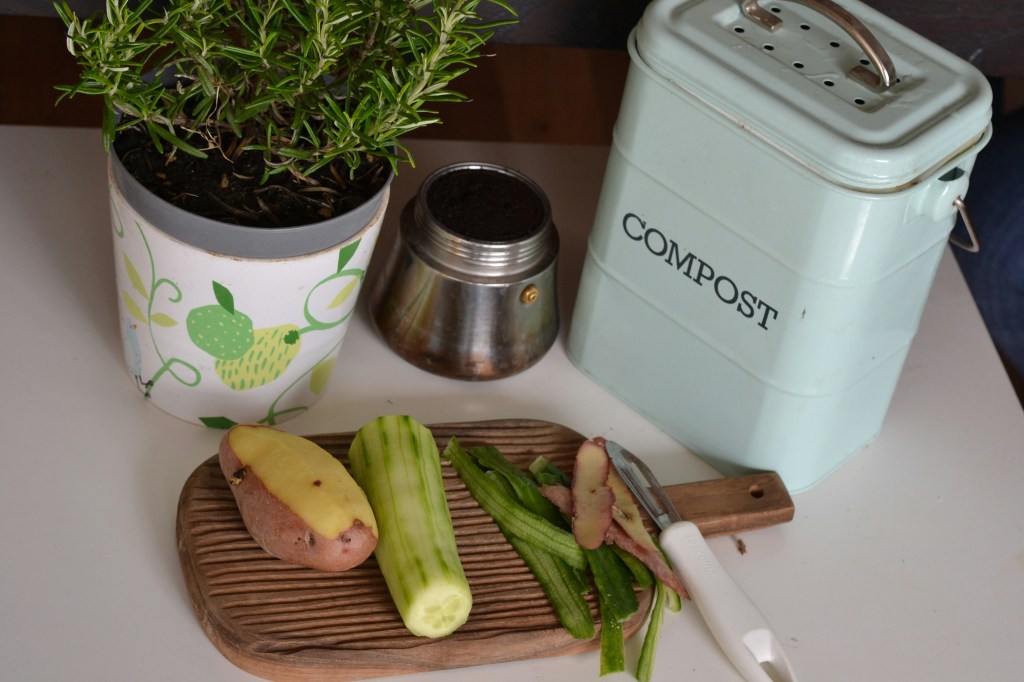
Photo by Lenka Dzurendova on Unsplash
🌎Compost
Food waste that goes to landfills produces methane. On January 1, 2022, California passed SB 1383, requiring residents to place food scraps in their green waste bins (not trash bins) to cut down on greenhouse gas emissions.
Find out if your state/city has composting options.
2. Let Go Of What You Can’t Control
In addition to focusing on the steps you can take, it is important to let go of anything you can’t control. Stressing about problems you can’t solve is exhausting and will make you miserable.
Photo by Min An: https://www.pexels.com/photo/green-leaf-tree-1143002/
3. Be Responsible, But Don’t Stop Living Your Life.
Viewing individual and systemic change as opposing forces isn’t helping the matter. If everyone dismissed individual actions, we would never improve.
At the same time, realizing that it isn’t your job to solve all of the world’s problems can bring some relief.
I have to remind myself of this on a nearly daily basis.
It may sound cliche, but all you can do is your best. As I said, control what you can and let the rest go.
4. Stay Positive and Hopeful
Even when facing negative news, it is important to maintain a positive mindset and remain hopeful about the future.
This YouTube video reminded me that we need to stay positive in order to have the mental energy and strength to make a difference.
5. Find Coping Strategies
My therapist gave me the helpful reminder that these ruminations about the environment are similar to past looping thought cycles. She encouraged me to revisit helpful strategies I’ve used previously to manage uncomfortable thoughts.
Managing eco-anxiety is similar to managing any other type of anxiety. These are some helpful coping strategies to use when you feel worried:
✨Meditation/Deep Breathing
✨Healthy Distractions
✨Journaling
✨Take a Walk
✨Joyful Movement
✨Seek Connection
6. Be Mindful of News Consumption
The more negative news I hear about climate change, the worse I feel.
Also, there is so much contradictory information online.
I found myself feeling defeated each time I discovered a negative side to an action I thought was helpful.
Our brains can only handle so much bad news. There is a fine line between staying informed and doomscrolling.
These are good reasons to limit news consumption.
Additionally, remember to actively seek good news.
Hearing about the good things happening in the world is uplifting and can help you feel less despair.
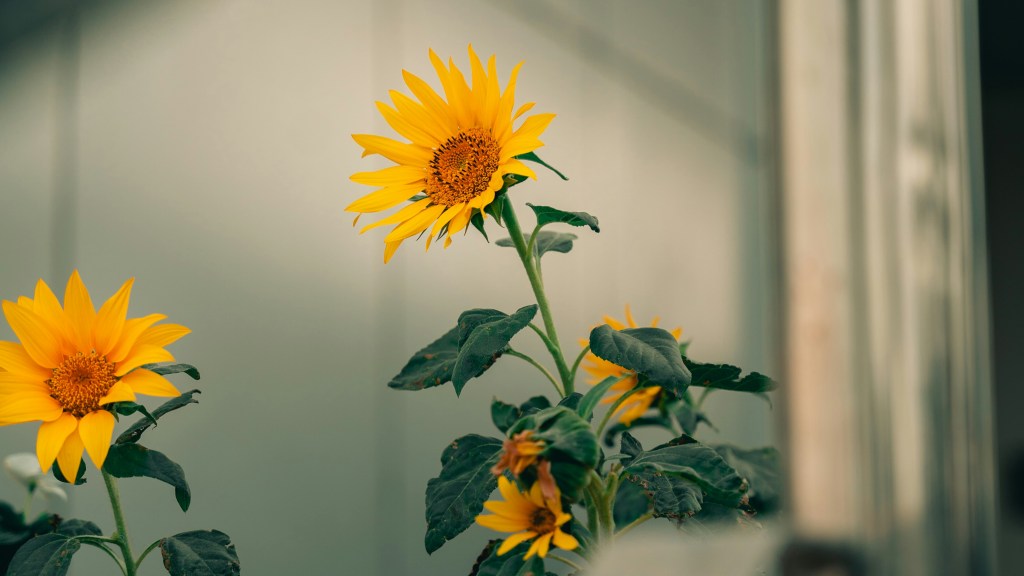
Photo by Yosef Futsum on Unsplash
7. Acknowledge Your Wins
Acknowledge and celebrate all your wins on your journey to live a more eco-friendly existence. No act is too small. Even if choosing to open a window instead of turning on the AC doesn’t solve the climate crisis, it shows you care and that you are trying. That counts!
Along with remaining positive, giving yourself credit for making positive changes will keep you energized and motivated to continue making climate-friendly choices.
8. Connect with a Like-Minded Community
Connecting with others who share similar values can provide some comfort. This can allow you to express your concerns with people who might understand.
Finding a community is also a great way to strengthen your conservation efforts.
I just attended a local conservation event, and I was able to get some great ideas for different ways I can reduce my environmental footprint.
Resources
https://www.calm.com/blog/eco-anxiety-coping-tips
https://magazine.hms.harvard.edu/articles/climate-anxiety
https://www.goodenergy.co.uk/blog/create-sustainable-home-this-spring/
https://calrecycle.ca.gov/organics/slcp
I hope you found this post helpful! Send this to anyone you know who needs support while struggling with eco-anxiety.
Make sure to sign up for my email newsletter to get notifications about new monthly blog posts with relatable tips to help you live your best life.
Connect with me on social media for daily lifestyle inspiration. I would love for you to join my cozy community of people being their best selves. Links below!
 Life by Julia
One thought on “How to Care About the Planet Without Losing Your Mind | 8 Tips for Coping with Eco-Anxiety”