
I am not a mental health expert. Nothing in this post is meant to be professional advice. Take everything I say with a grain of salt, and consult with a professional if you are struggling.
Decluttering when you are sentimental can be tricky.
Even when part of you longs for a clear, organized space, another part of you finds it challenging to get rid of things.
At least, that is my mental battle.
I’ve collected a lot of stuff since graduating from college.
And, sentimentality makes me feel attached to these physical belongings. You may also find special meaning in random items collected over the years.
But holding on to too much stuff quickly leads to clutter. And clutter leads to anxiety.
Sometimes, I feel like my stuff is suffocating me.
Very dramatic, I know.
But, I also know that I’m holding onto things that are no longer serving me. And, I want to change that.
So, let’s start a new chapter.
After 4 years in the same house, I’m finally moving. This fresh start is an opportunity to sort through my belongings.
I want to share this experience to help anyone else who feels too sentimental to declutter:
- know that you are not alone
- know that there are ways to overcome this
Your home should be a safe space where you feel comfortable and at peace.
This is why I’m being very intentional with everything I invite into my new space. I want to be surrounded by items that bring me joy.
A move is a great time to declutter, but you don’t need to wait for a life transition to start a new chapter. I hope sharing this journey inspires you to declutter and create a peaceful environment for yourself.
Keep reading for tips to help you on your decluttering journey!
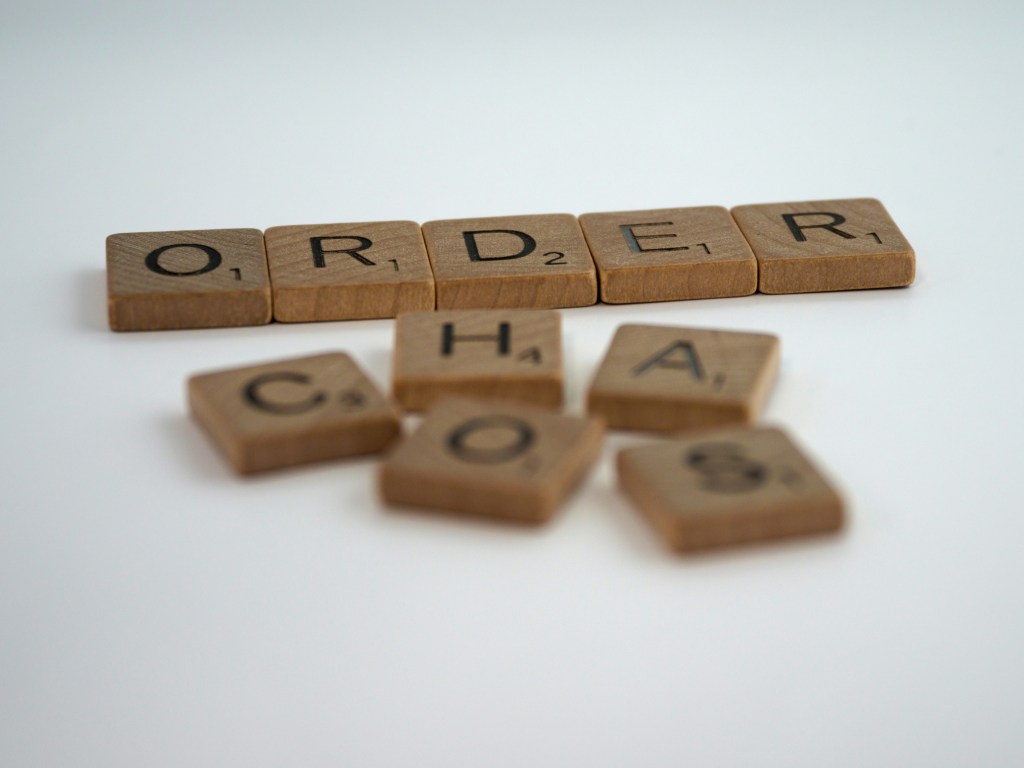
Photo by Brett Jordan on Unsplash
Tips for Decluttering When You Are Sentimental:
Understand Why You Want to Hold On
There are so many factors that might make you feel attached to your belongings. If you find it hard to get rid of things, it might be because of:
- Environmental anxiety
- Guilt
- Mental health issues
- A scarcity mindset
This list is not exhaustive. These are just some potential causes, which I know I can relate to.
Understanding why you want to hold onto clutter can help you work through that.
Let’s do a deeper dive into some of these potential causes.

Photo by Cole Keister on Unsplash
Breaking Down Decluttering and Environmental Anxiety
If you are anything like me, you feel a lot of environmental anxiety. The thought of throwing something away and having it wind up in a landfill makes me want to crawl into a hole. But this thought process isn’t helpful.
Waste is unfortunate, and it’s admirable to consume mindfully.
But you have to make peace with throwing away items that aren’t serving their purpose.
It’s not practical and not good for your mental well-being to believe you should hold onto every possession you’ve ever owned.
To quote the very wise Lexie Lombard, “Sometimes, you just have to take the L.”
Hearing her frame it like that made this heavy topic feel more lighthearted and gave me the much-needed permission to make peace with some potential waste.
Also, if you struggle with environmental anxiety, you should read my post called How to Care About the Planet Without Losing Your Mind to learn tips for coping with eco-anxiety.
Breaking Down Decluttering and Guilt
Do you feel guilty for getting rid of certain items, like gifts?
If so, you don’t need to.
You can express gratitude for the item and the gift giver while also honoring that you don’t have space for it right now.
“The true purpose of a present is to be received.” – Marie Kondo
I learned this from a friend who learned it from Marie Kondo’s The Life-Changing Magic of Tidying Up.
Even if the tidying guru’s habits changed after she had a child (totally understandable), this is still great advice!
Breaking Down Decluttering and Mental Health
There is a psychological element to holding onto clutter. Some mental health conditions, like ADHD, can make us more prone to clutter. Other conditions, like depression and anxiety, might make it challenging for individuals to feel energized and motivated to take care of themselves, including keeping their spaces organized.
Working on your mental state might be the first step to decluttering.
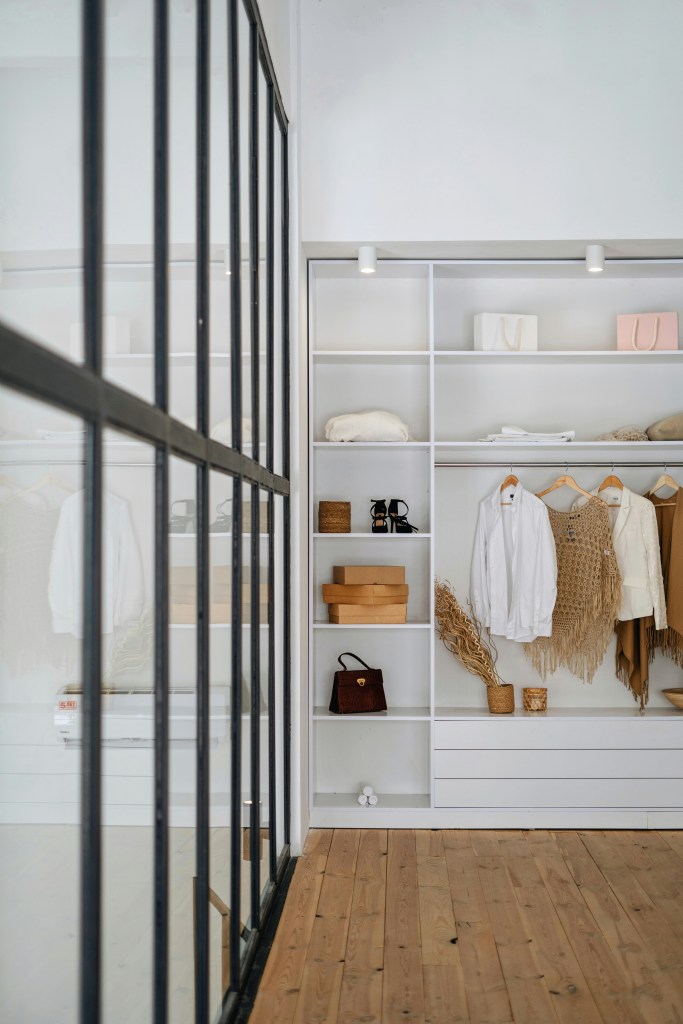
Photo by Olena Bohovyk on Unsplash
Breaking Down Decluttering and Mindset
Do you feel like you have to hold on to things in case you might need them one day? How would it feel to trust that you will be able to find and purchase those items if and when that day comes?
Switching from a scarcity mindset to an abundance mindset takes time, but feels freeing.
Now, some tips to simplify the decluttering process!
Start Small
If you try to declutter your whole space all at once, you might get overwhelmed and give up.
Instead, break it down into pieces. Commit to doing a little bit at a time. Go room by room. Divide each room into sections.
Start with something that feels easy and build momentum. This advice also came from Lexie. I determined that decluttering my bathroom was a good first step. I don’t feel too emotional about (safely) disposing of expired medication.
Once you get started, it can feel slightly easier to keep going.
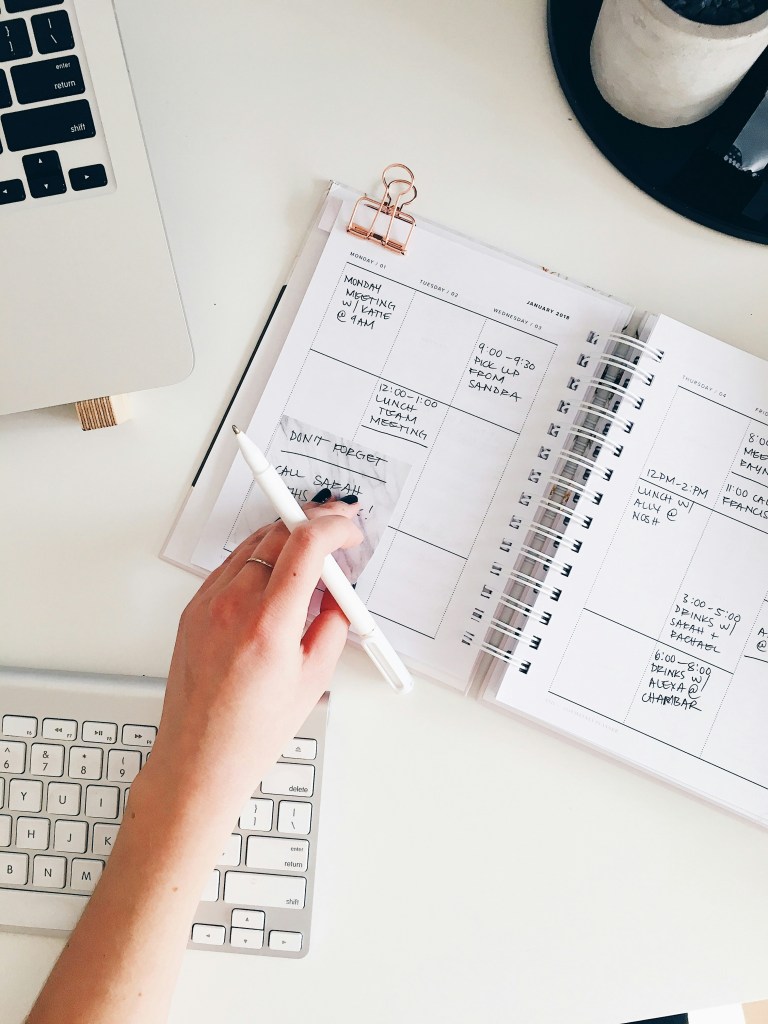
Photo by Marissa Grootes on Unsplash
Do a Little at a Time
Make decluttering feel manageable by spending a small amount of time on each section. I’m only working on my decluttering project once per week.
Even if it takes longer, this feels more realistic and achievable.
Be Honest with Yourself
You know that shirt you keep because you “might wear it one day?” And that book that you want to get around to reading? Start being really honest with yourself–is that day ever going to come?
You are definitely in good company with this habit, so let’s all work on parting with items we realistically don’t need ot want.
Give Yourself Grace
Make sure to give yourself grace throughout this process. Decluttering is hard and emotional.
You might feel decision fatigue when trying to decide what stays and what goes. You might feel guilty about getting rid of things. You might feel wasteful. Just be kind to yourself.
Remember that you are only human and it’s okay to be imperfect. Hopefully, this experience helps you gain more insight into conscious consumption.
Photo by Pixabay: https://www.pexels.com/photo/green-cactus-plants-on-pots-265005/
Does it Spark Joy? Does it Give You a Pit in Your Stomach?
Many of us know Marie Kondo’s infamous “does it spark joy?” question to help us reflect on whether or not to keep an item.
I use this myself. But, Lexie suggests we look at this from another angle and ask, “Does this give me a pit in my stomach?”
I found this tip so helpful!
I knew exactly that feeling she was referring to, and this question helped me part with some of those items.
Lean on Your Support System
Decluttering can be a difficult experience. This is a great time to talk to your loved ones for support. This is also a great topic to discuss with a therapist if you have that resource.
Asking for an objective opinion can also help you determine what is realistically useful.
Make sure that anyone you ask for support can be sensible and help you part with things you don’t need, but can also be compassionate.
In addition to talking to friends and family members, motivational content can also help you throughout this decluttering journey. For example, I hope this blog post makes you feel supported.
One of the great things about the internet is that there are so many online spaces to find a community of people who can relate to your experiences.
Julia Adastra makes great YouTube videos on this topic. I find her very relatable.
You don’t have to get rid of everything
This might sound hypocritical, but you don’t have to get rid of everything. Don’t listen to anyone who tells you otherwise. At the end of the day, you get to decide what you truly want to keep and what you want to get rid of.
Please don’t feel like you need to get rid of everything. Decluttering is a lifestyle change and doesn’t need to be extreme.
Be mindful of what you bring into your space
This is a good habit to get into as a preventative measure. You don’t have to take home every free item someone offers you. The easiest way to declutter is to avoid clutter from the start.
I got this tip from a podcast about decluttering with ADHD.
If you struggle to organize, please know that you are not alone. I hope these tips help you get one step closer to the calm and peaceful space of your dreams! Make sure to sign up for my email list to get notified of new monthly blog posts with tips to help you be your best self!
And follow me on social media for daily lifestyle inspiration! (Links below.)
Featured image:
Photo by Marek Szturc on Unsplash
 Life by Julia