
You tell yourself you want to be in bed by 10 pm, but all of a sudden, it’s 9:55 pm and you still haven’t
brushed your teeth,
prepped your work bag for the next day,
completed your skincare routine,
and done your evening journaling.

Photo by Priscilla Du Preez 🇨🇦 on Unsplash
“Revenge Bedtime Procrastination” refers to “when people intentionally stay up late to enjoy personal time, even when they know it will negatively affect their sleep.”
When your day is ruled by external forces, such as work or school, you might feel tempted to stay up late for some much-needed time to yourself.
If you are anything like me, this makes it challenging to go to bed, even though part of you wants to go to bed earlier.
Note that I am not talking about difficulty falling asleep. Rather, I am talking about the executive functioning and planning required to get yourself into bed by a certain time.

Photo by Ales Krivec on Unsplash
Evenings end up feeling rushed and stressful, instead of calm and relaxing.
Not only is this cycle frustrating, but it also brings negative health consequences. According to this Harvard Medical School article, not getting enough sleep can cause many problems, including high blood pressure, heart issues, cognitive issues, and depression.
I can sense the side effects of sleep debt building up, leaving me feeling drained by the end of the week.
But it doesn’t have to be this way! We can take small steps to make getting to bed early a little easier.
Read on for tips!
Identify Why You Want to go to Bed Earlier
You need a solid reason to make a lasting lifestyle change. This “why” works as a motivating factor.
For example, you might want to ensure you get enough sleep, so you feel more energized. Or you might want to go to bed earlier, so you can wake up earlier to pursue a life-giving hobby before starting your day.
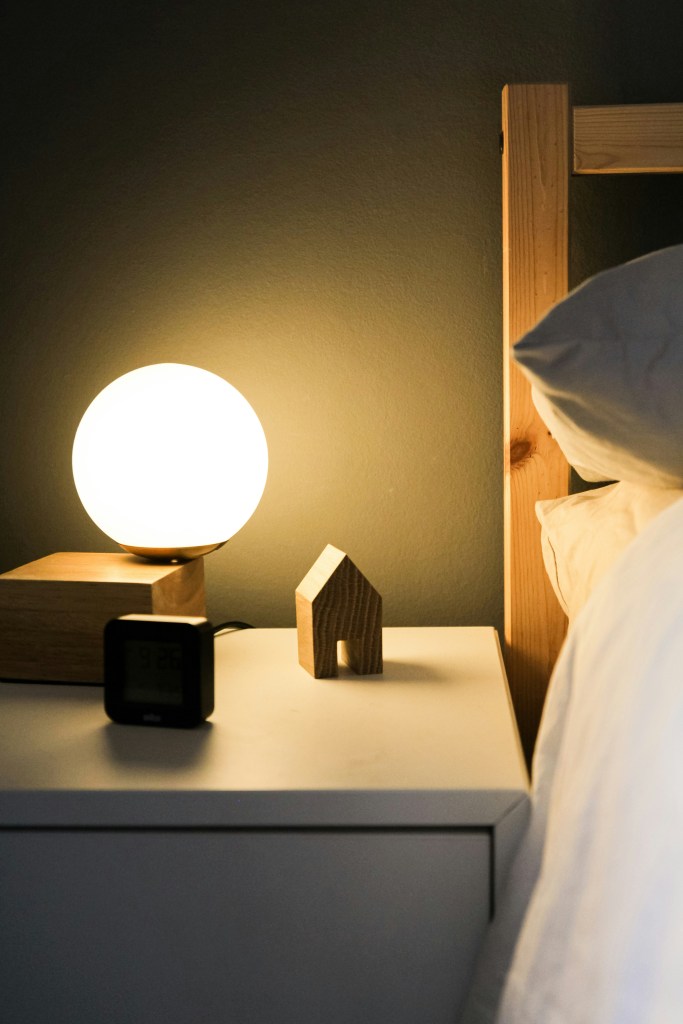
Identify What is Stopping You from Going to Bed Earlier
Something is stopping you from going to bed at the time you want to. Otherwise, this wouldn’t be an issue. Identify what those blocks are, so that you can overcome them.
Plan for Your Worst Self
Many of us set lofty goals with our best selves in mind. But, the truth is, you won’t always show up as your best self. Things won’t always go smoothly.
What are you going to do when night-time comes and you don’t want to go to bed? What will you tell yourself when your inner voice says, “I’ll just stay up for 10 more minutes.”
Planning ahead can help you stick to your goal, even when your worst self tries to talk you out of it.

Photo by BRUNO CERVERA on Unsplash
For example, one weekend, I had gone to bed later than I meant to on Saturday but still wanted to get up early on Sunday. I did not get enough sleep. And, I didn’t want to start a new work week in a sleep deficit.
I started off telling myself I needed to go to bed early on Sunday. Sounds great. But as the day went on, I could feel myself starting to resist an early bedtime.
My self-awareness kicked in. I realized what I was doing and that I would need to actively override the urge to stay up late.
Acknowledge the Benefits
Do some research on the benefits of getting more sleep. Use this as motivation. I find these benefits encouraging, which makes me want to stick to my plan.

Photo by Benjamin Voros on Unsplash
Give yourself a Hard Cut-Off Time
The more clearly I make my plan, the more likely I am to stick to it. In this case, setting a hard cut-off time makes it easier for me to transition into my evening routine. For me, this means no more work after 9 pm.
Give Yourself More Time to Wind Down Than You Think You Need
Start winding down earlier than you think you need to. This is one of my biggest challenges when it comes to getting to bed on time.
It probably takes longer to get ready for bed than you realize. Don’t listen to that thought that tells you you can sit on the couch for 5 more minutes!

Photo by Brandon Cormier on Unsplash
Make a Commitment
Going to bed signifies the end of our free time and brings us that much closer to a new work/school day, where we don’t have as much time to ourselves.
This is often why we procrastinate going to bed. Recognize the pattern you want to change, then make a commitment to yourself and don’t back out on it!
Create Accountability
Sadly, it is too easy to abandon commitments we make to ourselves. Creating a sense of accountability can help you meet your sleep goals.
Share your plans to get to bed earlier with a trusted friend or family member.
Talking about your goals is a helpful way to solidify them. Someone in your life might even have similar goals!

Photo by Annie Spratt on Unsplash
Calm Your Mind🌙
Preparing yourself mentally and physically for bedtime is another helpful step.
Form a calming ritual to unwind for the night. I love magnesium and chamomile tea to help me relax in the evening.
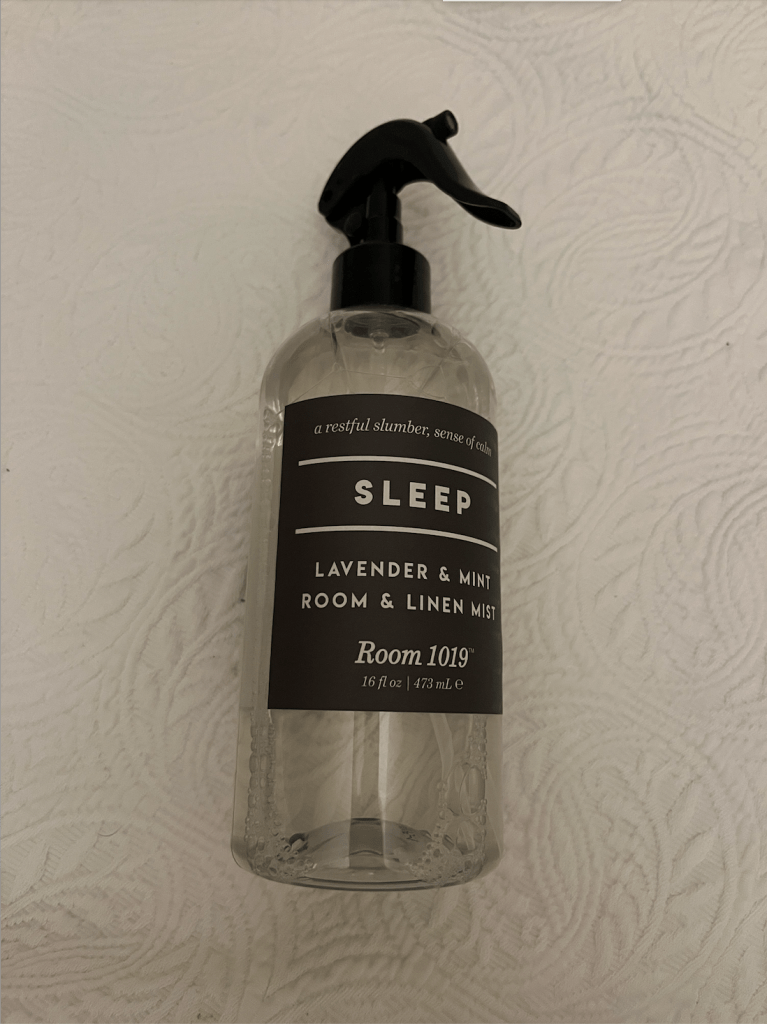
Create a Relaxing Atmosphere🌙
Essential oils, like lavender, peppermint, and eucalyptus, create a cozy, soothing atmosphere that can motivate you to get to bed.
With a little planning ahead and commitment, you can achieve your sleep goals.
I hope this post helped you and inspired you! Do you have any habits that help you get to bed earlier? Share them below to inspire others!
Make sure to sign up for my email list to get updated on monthly blog posts with tips to help you live your best life. And follow me on social media (links below) for daily lifestyle inspiration.
 Life by Julia
One thought on “Overcoming Bedtime Procrastination | How to Get Yourself into Bed Earlier”