
I have been thinking about the personal curriculum trend nonstop for the past few days.
This trend is attributed to Elizabeth Jean, aka xparmesanprincessx on TikTok. Jean started sharing her monthly curriculum online, and people (like me) are loving it.
To learn more about the personal curriculum trend, check out this Substack post where I go into more detail.
I was so excited to create my September Curriculum. But I also felt a little intimidated. I have so many interests, and there is so much information available, that I didn’t know where to start.
Sometimes I find it challenging to come up with new systems. I think it’s helpful to see what other people are doing and adapt that to fit your needs.
So, I did a deep dive into the topic to get more ideas.
I wanted to share these tips, so you can also create a personal curriculum.
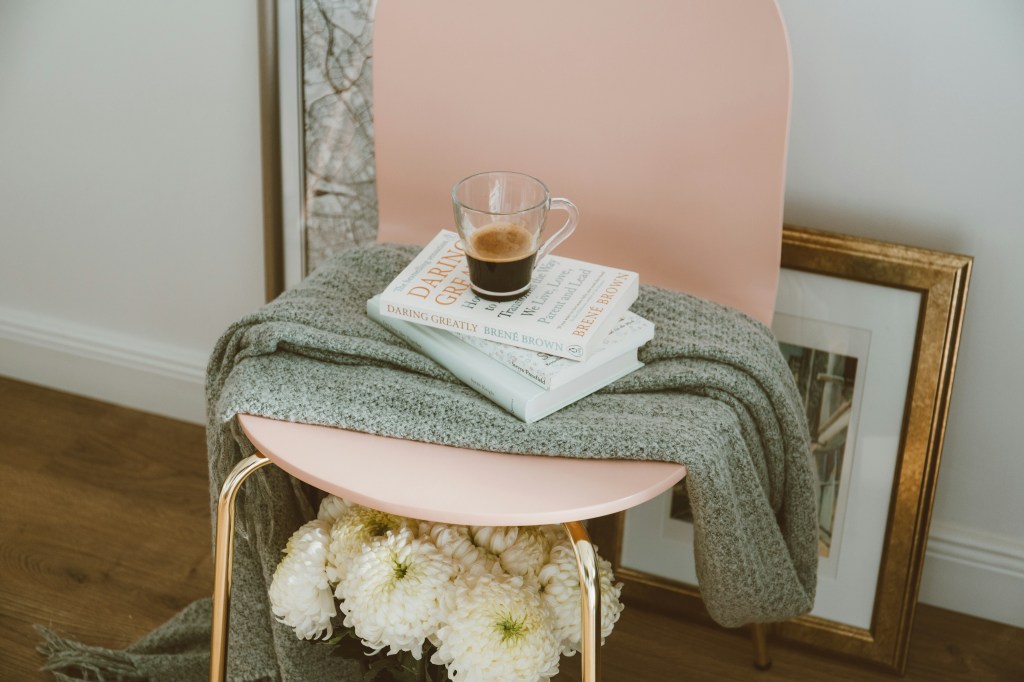
Photo by Alisa Anton on Unsplash
Follow Your Curiosity
First, get in touch with yourself.
This is an intuitive process. As Jean shares, “I’m a very intuitive person, so if something feels fun and good for me, I just follow that feeling,” she says.
Pay attention to topics you find interesting.
Cocí Chanél on TikTok, aka prettygirlstyle08, offers these reflection questions that you can use as a starting point:
What are you going to do?
Where are you going to go?
What are you going to read?
Who are you going to visit?
Who are you going to call?
Chanél suggests writing out your syllabus and reviewing it daily
I like this tip because it can help you stay focused and keep yourself accountable.
I began by writing down everything I’m interested in, stream-of-consciousness style. I used this to come up with my main “classes.”
Once you have your class ideas, create your “assignments.”
You might also want to assign some books, movies, articles, documentaries, and podcast episodes.
Create a Structure
TikTok creator, Gianna Jackson, breaks a personal curriculum down into “units” and creates a syllabus for each unit, which includes:
the class name
the credits
a course description
learning objectives
reading materials
weekly assignments
a final project
Jackson identifies as someone who has a lot of interests and recommends this strategy to others who feel similarly.
I also liked this breakdown from notesbykayla on TikTok
Kayla suggests that you think about your larger goals to form your “classes.”
Then, break your larger goals down into small steps to come up with your “assignments.”
Also, decide on the time frame you want to work within.
Since you are creating this for yourself, you get to choose the pacing that works best for you.
You can make your curriculum semestral, quarterly, seasonally, monthly, or for another time period that works for you.
I decided to make my curriculum a monthly thing. I’ve seen people equating this to setting monthly goals.
Where to Find Educational Information
One of the many highlights of a personal curriculum is that you can learn for free using the resources available to you.
You can take free online courses through sites like Coursera.
You can also use your local library along with podcasts, YouTube channels, and social media creators that share educational content.
I hope this post inspires you to create your personal curriculum. I would love to hear what topics you are learning about. I’m excited for us to continue supporting each other on our self-improvement journeys!
Make sure to sign up for my email list to get notified of new monthly blog posts to help you create a life you love.
And follow me on social media (links below) for daily lifestyle inspiration.
 Life by Julia