
This post contains affiliate links. I may receive a small commission if you make a purchase through these links.
What is The Pomodoro Technique?
If you enjoy learning about personal development and time management tools, you may have heard about the Pomodoro Technique at some point. The Pomodoro Technique is a time management system that was developed by Francesco Cirillo in 1987. This system involves breaking down tasks into structured sessions of focused work, followed by short breaks. Each period of work is called a “Pomodoro.” Pomodoro is the Italian word for tomato. The name comes from the old-school kitchen timers that are shaped like tomatoes, which Cirillo used to practice this technique. The Pomodoro Technique is still traditionally associated with a physical timer. But, you can use any type of timer to practice The Pomodoro Technique: a physical timer, a stopwatch, online sites and apps (search for “Pomodoro timers”), or your phone.

How Can The Pomodoro Technique Help Your Productivity?
The Pomodoro Technique Gives Your Day Structure
Not having a plan for your day can hurt your productivity. The Pomodoro Technique is a tool you can use to give your day more structure. Having this structure can help you avoid feeling overwhelmed by a to-do list, a wide-open schedule, and no plan, ultimately allowing you to get more done.
The Pomodoro Technique Gamifies Your Work
If you are someone who feels motivated by adding some element of gamification to your day, you can look into some of the different apps that allow you to gamify The Pomodoro Technique.
Notion
If you love learning about time management and productivity, you might also love apps and tools that can help you manage your time and increase your productivity. Notion is an all-in-one note-taking app that lets you house all your important information in one place, helping you stay organized. The customizable templates allow you to visualize your notes in the way that makes the most sense for you!
There are different widgets and templates you can use to gamify your Pomodoro sessions!
The Pomodoro Technique Helps You Get Into A Flow State.
Flow describes the state of being so focused on a task that you lose track of time. This is the optimal state to be in to make progress on any project, whether it is a work project or a personal project. When you are so absorbed in the task at hand, it eliminates distractions, allowing you to get more done. But one of the elusive elements of the Flow State is knowing how to enter Flow. While there isn’t a set formula for entering Flow, there are different tools that can help you achieve Flow, including The Pomodoro Technique.
The Pomodoro Technique’s structure of relatively short intervals of work, followed by breaks, can help you overcome the barrier of resistance that can accompany daunting tasks. Sometimes, that resistance to start is what prevents you from optimal productivity. The Pomodoro Technique can provide a way to get you over that barrier, allowing you to get started and create momentum that can keep you moving forward, increasing your chances of getting into a Flow State.
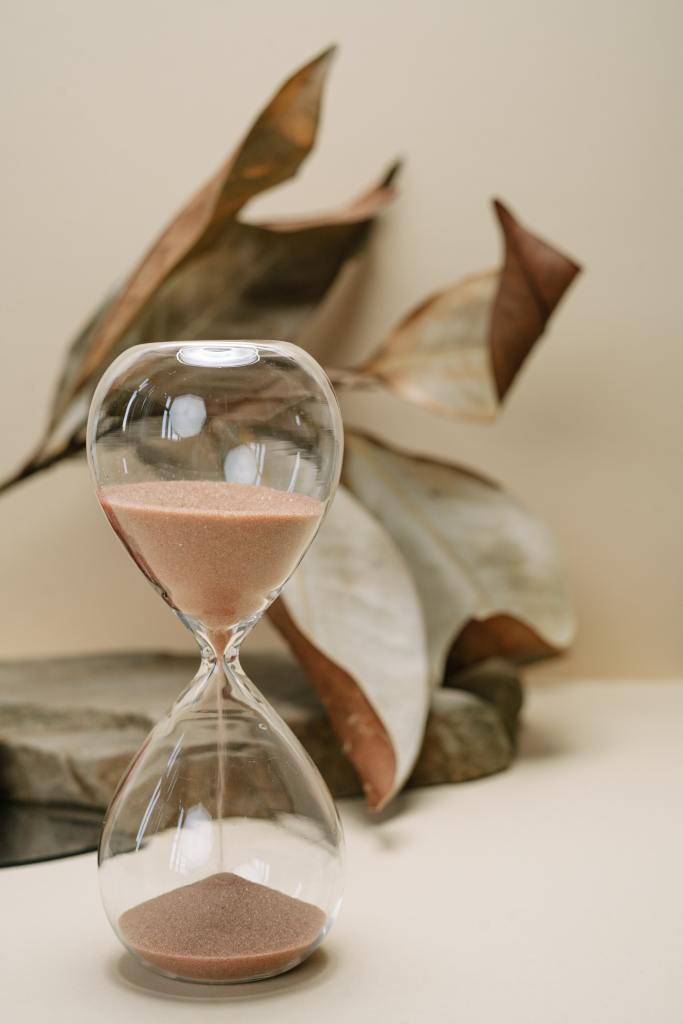
Photo by Ivan Samkov: https://www.pexels.com/photo/clear-hour-glass-beside-brown-leaves-7703268/
Time Pressure
Another important aspect of The Pomodoro Technique is time pressure. Time pressure is a term that describes the level of stress that results from having a limited amount of time to complete a task. This sense of urgency leads to increased focus, which leads to you getting more done.
Creating a deadline for yourself is a strategy to help you improve your productivity. I have discussed in a previous blog article, the concept that you are more likely to achieve a goal when you schedule a specific time to do so. Without time pressure, it becomes easier to lose sight of what you are trying to accomplish. Knowing that you have a timer counting down the time of your work session creates that sense of urgency that helps you focus.
Taking Breaks Benefits Your Productivity
One of the things I like about the Pomodoro Technique is that it encourages you to take breaks, which would be helpful for anyone who tends to power through without breaks when studying or working. There are benefits to taking breaks while working.
Although it may seem counterintuitive, this article from The Wellbeing Thesis explains that taking a step back from your work can help you clear your mind, refocus, and decrease stress, which will help your overall performance.
Ideas for breaks
The goal of a break is to take you away from your work, so you can reset and come back refreshed. Try to avoid working through these breaks. If you feel unsure about what you can do during your short breaks, below are some quick break ideas:
- Stretch
- Go to the bathroom
- Get a glass of water
- Step outside
- Return phone calls/texts – This one you have to be careful with. Only do this if you have the ability to prevent yourself from getting sucked into your favorite apps.
- Read a few pages of a book
- Do a short, guided meditation.
How To Use The Pomodoro Technique
- Pick a task to focus on
- Set a timer for 25 minutes
- Work until the timer goes off
- Take a 5-minute break
- Repeat
- After 4 Pomodoro sessions, take a longer break (15-30 minutes)
When to Use The Pomodoro Technique
The Pomodoro Technique is commonly used by students while studying. But this time management tool can be helpful outside of a school setting. In addition to studying, The Pomodoro Technique can help you manage your time across many types of projects, such as:
- Writing projects (blog articles, novels, research papers, etc.)
- Art projects
- Completing school or job applications
- Cleaning
All you have to do is take your project and break it down into smaller segments. Then apply the work-break-repeat structure.
While researching The Pomodoro Technique, I found a lot of people saying this time management tool is helpful for getting started on a daunting task. You know those items on your To-Do list that you keep putting off because they feel too overwhelming and time-consuming? The Pomodoro Technique can help you take on those tasks by breaking them down into manageable steps with breaks. Knowing you only have to do something for a short interval can break down that resistance barrier.

Photo by Lukas Blazek on Unsplash
Using The Pomodoro Technique At Home
This time management tactic can help you get ahead of your chores and housework. Breaking tasks down into small segments, with breaks, can help you accomplish important, but seemingly dull tasks (like laundry, cleaning, etc.). This can be especially helpful if these chores have been building up to a point that feels overwhelming. Knowing you only have to work for short periods at a time can make the whole task feel more manageable.
Using The Pomodoro Technique At Work
The Pomodoro Technique can also be useful for breaking work projects down into more manageable steps. And the breaks will help prevent you from burning out.
Using The Pomodoro Technique At School
As I mentioned above, The Pomodoro Technique is a popular strategy used by students for more efficient study sessions. If you are in school, you might want to try this method to see if it helps you stay focused while studying.
Tips For Making The Pomodoro Technique More Effective
No productivity tip is going to work the same for everyone. These suggestions can help you customize the Pomodoro Technique to get the most out of it:
Pick one task to focus on. Only work on that task during your Pomodoro sessions.
Dedicating all of your attention to one task at a time is going to result in the most high-quality work.
Have everything ready to go before you start the timer.
You don’t want to spend the first few minutes of your Pomodoro running around looking for your planner, laptop charger, and any other supplies you need. Make sure you get everything you need for the task before starting the timer, so you can spend your whole Pomodoro focusing.
Combat Distractions.
Eliminate distractions to the best of your ability. While you can’t completely prevent external forces from creating distractions, you can take steps that will help reduce distractions.
- Put your devices on Do Not Disturb
- Tell your friends and family that you are focusing on an important project and that you will be unavailable for a while
- Find a quiet place to work
- If you get distracted thinking about other things you need to/want to do during your focus time, write down those thoughts on a notepad and continue working.
Find the Pomodoro structure that works for you.
Some people might find the structure of the Pomodoro Technique too rigid and offputting. But you don’t have to stick to the 25-minute work session, 5-minute break structure. Many people who find The Pomodoro Technique useful encourage practicing flexibility with the structure. It is a good idea to experiment with different lengths of Pomodoros and breaks. You might find that you do better with shorter/longer work sessions and breaks. This will also vary day-to-day, based on factors like your mood and energy level. So, if you want The Pomodoro Technique to work well for you, I suggest you experiment with the timing, regularly check in with yourself, and make adjustments as needed.
A Beginner’s Guide To The Pomodoro Technique Summary
Structured focus sessions followed by breaks.
Traditionally 25 minutes of work (called Pomodoros), followed by 5-minute breaks.
Named after the old-school tomato-shaped kitchen timer.
Associated with a physical timer, but you can use your phone, a stopwatch, or a Pomodoro Timer app.
After 4 Pomodoro Sessions, take a longer, 15-20 minute break
Feel free to experiment with different lengths of Pomodors and breaks
Experimenting With The Pomodoro Method
I used writing this blog post as an opportunity to experiment with The Pomodoro Method. To be honest. I never made it to four Pomodoro sessions. But I just wanted to see how I did with having a set amount of time to work before getting a break. I did find the gamification aspect motivating. I think knowing that I was dedicating this set amount of time to focus on a task made me subconsciously more focused. This is a time management strategy I plan to continue experimenting with.
Pomodoro Technique Resources
Below are some of the resources I used to learn about The Pomodoro Technique. If this is something you are interested in, you might find these sources helpful for learning more about how to implement The Pomodoro Technique in your life.
What is a Pomodoro and How Can it Help with ADHD?
The Pomodoro Technique – Study And Productivity Technique (animated)
https://todoist.com/productivity-methods/pomodoro-technique
The Danger of the Pomodoro Method (why most people are using it wrong)
POMODORO TECHNIQUE – My Favorite Tool to Improve Studying and Productivity
Does Pomodoro actually work for flow? (thanks Huberman)
Have you heard of and/or used The Pomodoro Technique before? Do you plan on trying it out? I would love to hear down below!
Featured Photo: Photo by Ylanite Koppens: https://www.pexels.com/photo/a-cup-of-coffee-stainless-watch-and-eyeglasses-on-a-table-with-ornamental-plant-1906607/
 Life by Julia
🍅 I absolutely love the Pomodoro Technique! It’s such a game-changer when it comes to managing time and boosting productivity. Breaking tasks into focused work sessions and taking short breaks in between really helps keep me motivated and on track. Plus, it’s so cool that you can use different apps to gamify the technique and make it even more fun! 🎮 Keep up the great work, and enjoy the benefits of this awesome productivity tool! 💪😊
Flat for sale in nizampet,hyderabad-Urbanhomes
LikeLiked by 1 person
Thank you so much for your nice comment! It is very helpful to find tools that work well for you 🙂
LikeLiked by 1 person